What Kind of Modern Witch are You?
Identifying as “witchy” or a “witch” today is incredibly multi-faceted. It’s no longer confined to a single religious definition like Wicca; instead, it has evolved into a vast, self-styled spectrum that blends spirituality, personal empowerment, aesthetics, and lifestyle choices.
Depending on who you talk to, “witchy” can describe anything from a strict daily spiritual practice to a purely visual fashion and home decor aesthetic. Here is a breakdown of how people typically embody and express that identity today:
1. The Spiritual & Craft Practice
For many, the identity is rooted in action and ritual. Modern practitioners often align themselves with specific sub-types or pathways based on where they focus their energy:
- The Green Witch / Earth Witch: Deeply connected to nature, gardening, and the seasons. They use herbs, plants, and essential oils for healing, cooking, and brewing “potions” (like intentional teas).
- The Kitchen Witch / Cottage Witch: Focuses on turning everyday domestic tasks into magical acts. Cooking with specific intentions, baking bread infused with herbs for protection or love, and making the home a sacred, cozy sanctuary.
- The Cosmic or Astrological Witch: Centers their practice on planetary alignments, moon phases (doing rituals during full or new moons), and birth chart analysis.
- The Secular / Psychological Witch: Views witchcraft through a non-religious, psychological lens. For them, spells and tarot cards are tools for self-reflection, mindfulness, and manifestation rather than literal supernatural intervention.
2. Divination & Mindful Rituals
Even people who don’t claim the title of “witch” might engage in “witchy” practices that have entered the mainstream wellness and self-care spaces:
- Tarot and Oracle Cards: Used daily or weekly for intuitive guidance and self-reflection.
- Crystals: Collecting and placing stones like amethyst, black tourmaline, or rose quartz around the home for their perceived energetic properties or simply as intentional decor.
- Altar Building: Dedicating a small surface (a shelf, a mantel, or a dresser top) to meaningful objects, candles, seasonal elements, and objects of personal power.
3. The Visual Aesthetic & Fashion
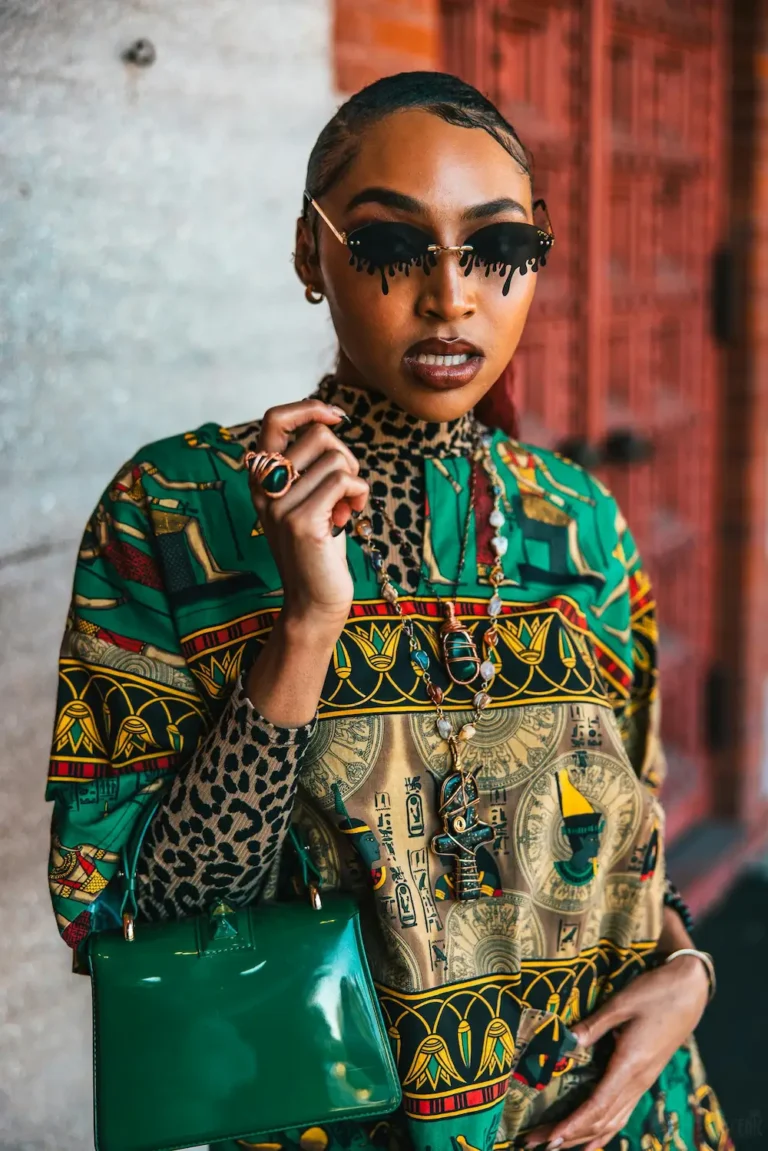
“Witchy” is heavily expressed through personal style and interior design. Thanks to communities on TikTok and Instagram, several distinct visual sub-genres have emerged:
- Whimsigoth: A massive trend blending 90s nostalgia (think Sabrina the Teenage Witch or Practical Magic) with gothic elements—think celestial prints, velvet, maxi skirts, dark rich tones, and layered silver jewelry.
- Goblincore / Dark Academia: Embracing the earthy, slightly cluttered look of an old apothecary or a forest floor—moss, pressed botanicals, thrifted brass candlesticks, vintage books, and curiosities.
- The “Clean-Girl” Witch: A more minimalist, modern approach. Subtle crystal jewelry, neutral linen clothing, lots of houseplants, and high-end aesthetic candles.
4. Empowerment & Political Identity
Historically, the archetype of the witch represents an independent figure existing outside societal norms. Today, the term is frequently reclaimed as a feminist and political statement:
- Autonomy & Power: Rejecting traditional patriarchal structures and embracing personal sovereignty, bodily autonomy, and intuitive wisdom.
- Eco-Activism: Because many witchy practices center on reverence for the Earth, the identity often overlaps with environmentalism, sustainability, and slow, intentional living.
Ultimately, modern witchiness is highly modular. Someone might identify as “witchy” simply because they love velvet clothing, drink herbal tea by the moon phases, and pull a tarot card every morning—while another might view it as a dedicated, lifelong study of historical occult practices. It’s entirely up to the individual to mix and match.
What Kind of Modern Witch Are You?

Green Witch Witchcraft Series