What Kind of Metal Head are You? Read the Comprehensive Guide and Take the Quiz
This post explores Metal genres from it’s traditional roots to modern post metal evolutions. To read the deep dive, continue below, or to skip ahead to the quiz, click here.
The world of heavy metal is incredibly vast, evolving from a single heavy blues-rock root into a massive, interconnected web of subgenres, fusion styles, and regional scenes. Here is a comprehensive breakdown of the subgenres of metal, categorized by their sonic characteristics, themes, and historical waves.
The Core & Traditional Subgenres
These are the foundational pillars of metal, establishing the core sounds that emerged from the late 1960s through the 1980s.
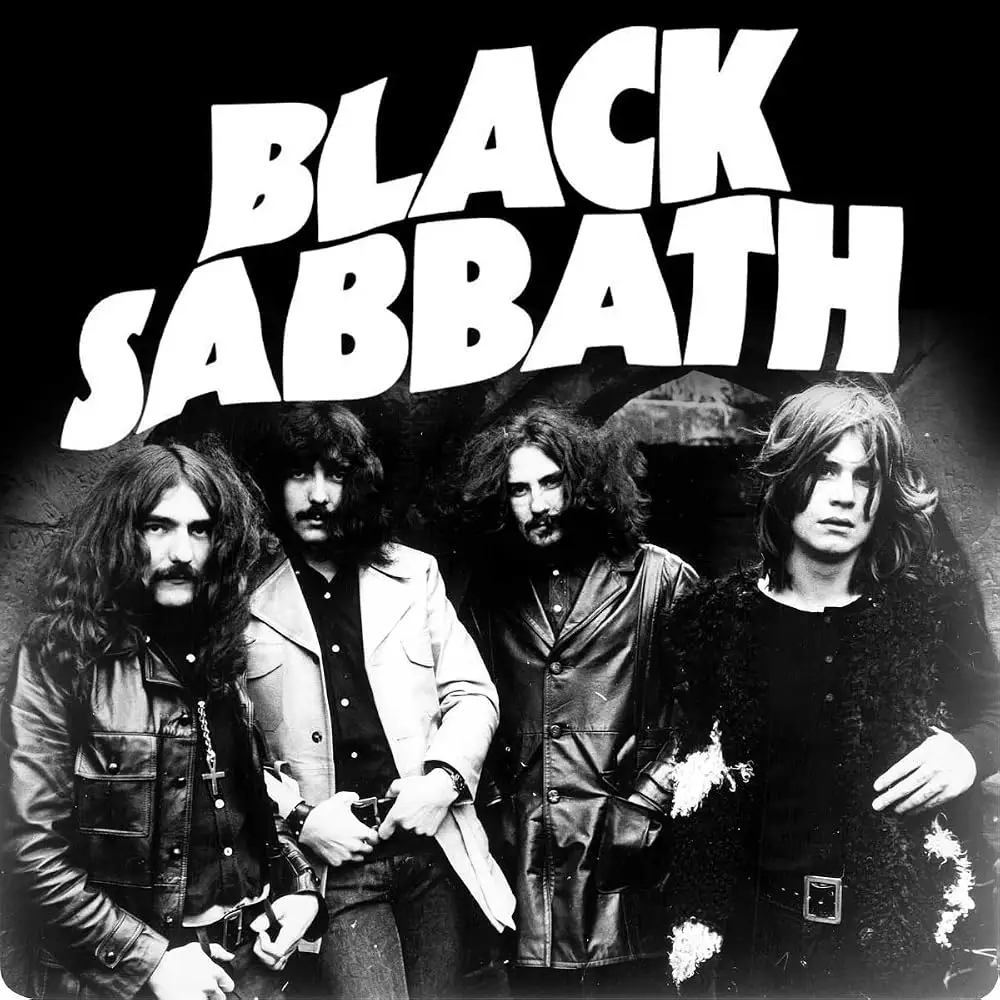
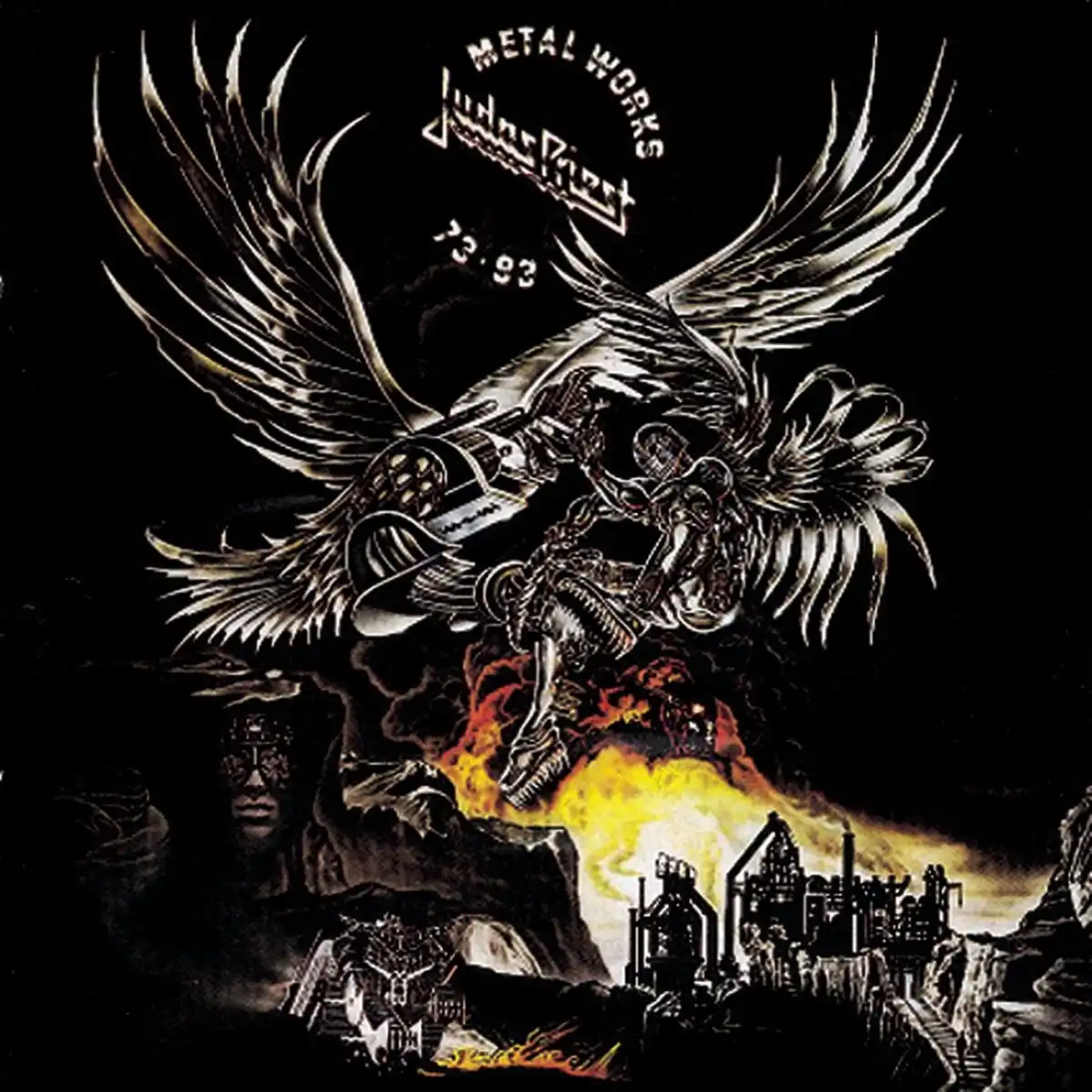
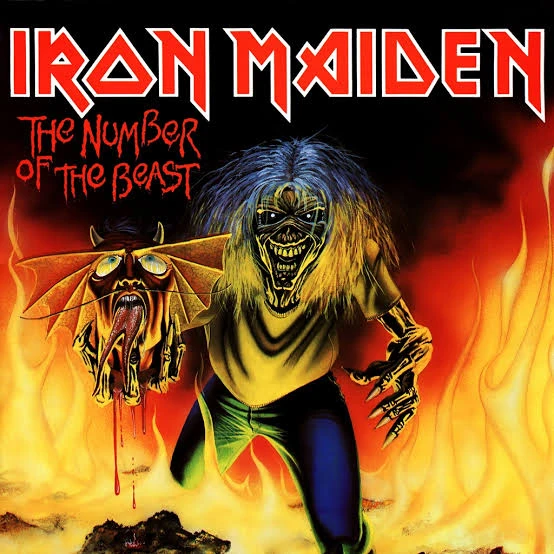
Heavy Metal (Traditional / NWOBHM*): The original sound characterized by driving guitar riffs, melodic guitar solos, and clean, often high-pitched vocals.
*NWOBHM = The New Wave of British Heavy Metal
- Black Sabbath (The absolute blueprints)
- Judas Priest (Defined the twin-guitar attack and leather aesthetic)
- Iron Maiden (The kings of melodic, galloping heavy metal)
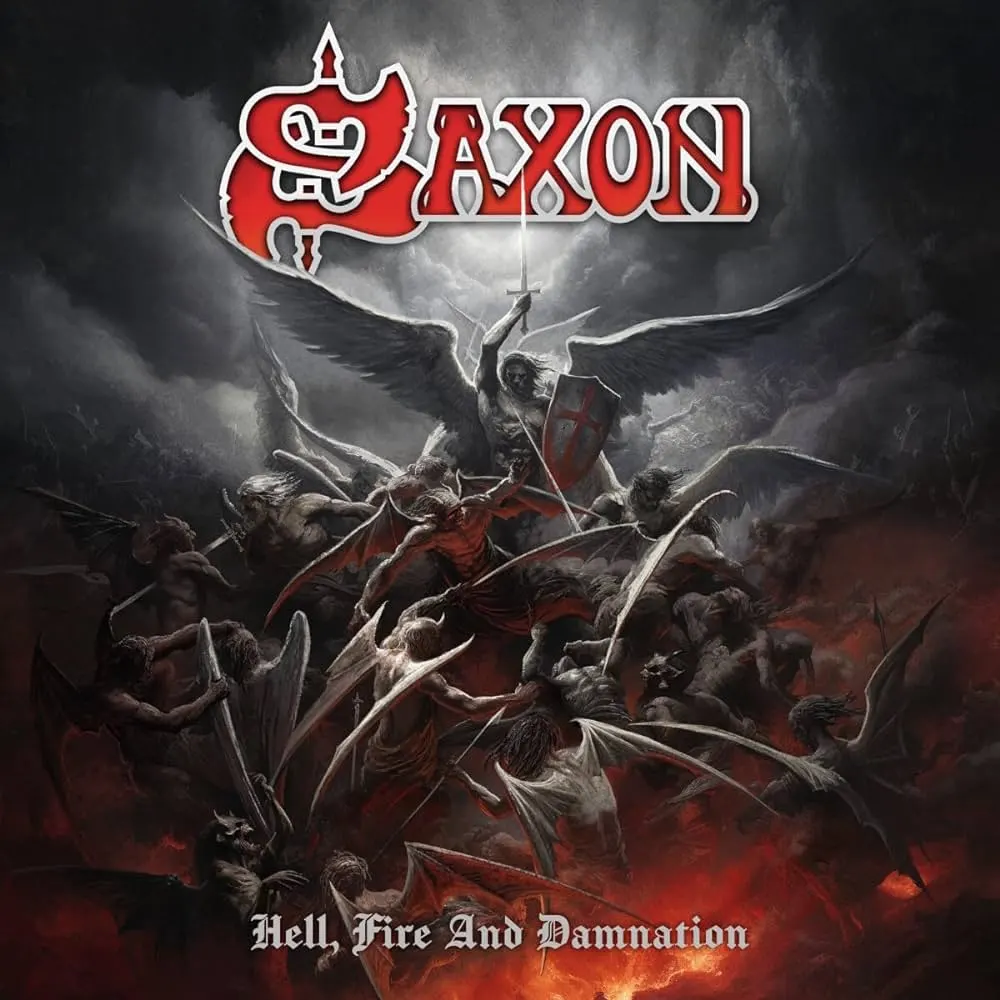
- Saxon
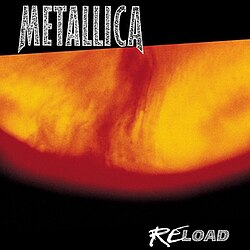
Thrash Metal: Fast tempo, aggressive double-bass drumming, and shredding, palm-muted guitar riffs. Heavily influenced by hardcore punk.
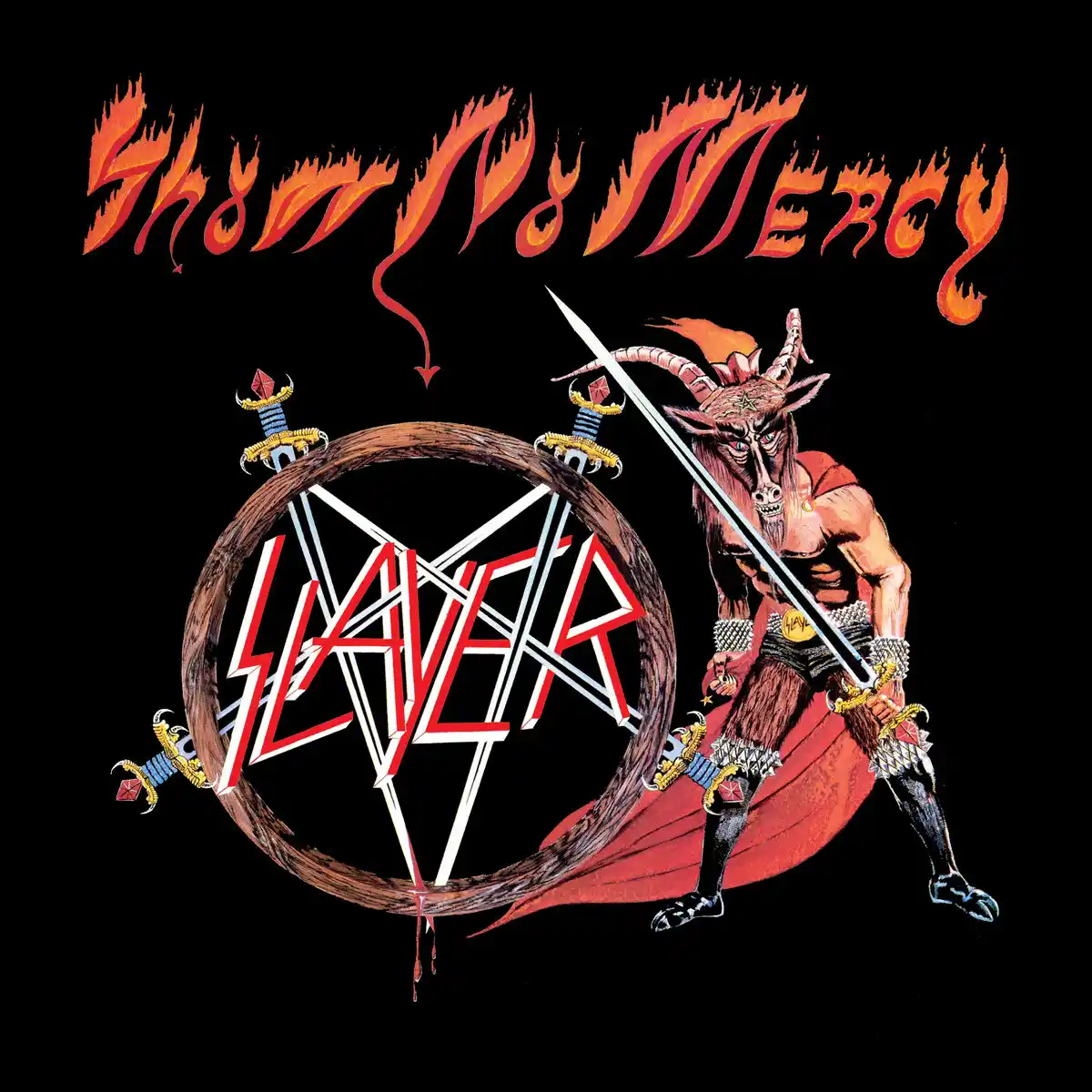
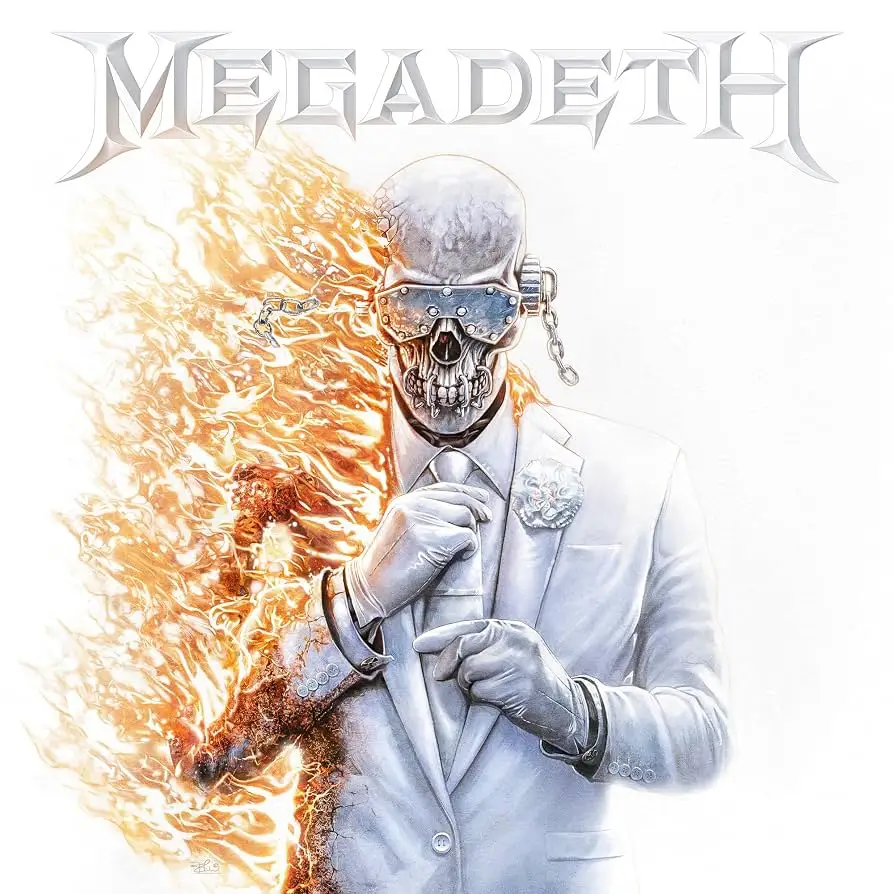
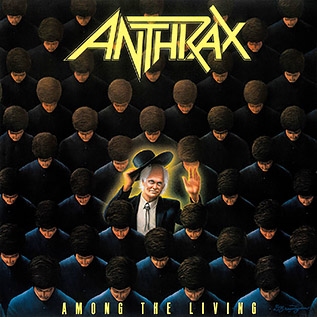
- Metallica, Megadeth, Slayer, and Anthrax (Famously known as the “Big Four” of thrash)
- Kreator (German thrash scene pioneer)
Speed Metal: A transitional style between traditional heavy metal and thrash. It focuses on extreme speed and technical proficiency but retains more melody and clean vocals than thrash.
- Exciter
- Anvil
- Accept (Classic German speed/heavy metal)
- Early Blind Guardian (Before they transitioned fully to power metal)
Power Metal: Majestic, theatrical, and highly melodic. It features fast tempos, soaring clean vocals (often operatic), symphonic elements, and fantasy/epic themes.
- Helloween (The godfathers of European power metal)
- Blind Guardian (Epic, choir-backed fantasy metal)
- Sabaton (Military and historical themes)
- DragonForce (Hyper-speed, video-game-inspired guitar wizardry)
- Nightwish (Power metal foundations with an operatic edge)
Doom Metal: Slow, heavy, and atmospheric. It relies on down-tuned guitars, thick distortion, and a melancholic, brooding mood influenced by early Black Sabbath.
- Candlemass (Epic doom metal)
- Electric Wizard (Ultra-heavy, psychedelic doom)
- Saint Vitus
- Pallbearer (Excellent modern champions of the genre)
The Extreme Metal Subgenres
Emerging in the 1980s and exploding in the 1990s, extreme metal pushed boundaries regarding speed, distortion, vocal style, and lyrical extremity.
Death Metal (DM)
Characterized by deeply distorted, down-tuned guitars, blast-beat drumming, abrupt tempo changes, and guttural growling vocals.
Traditional: The foundational, raw sound.
- Death (Chuck Schuldiner’s masterpiece band), C.C., Morbid Angel, Deicide.
Melodic (Melodeath): Combines the aggression of DM with the melodic guitar hooks and harmonies of traditional heavy metal, pioneered in Gothenburg, Sweden.
- At the Gates, In Flames, Dark Tranquillity (The “Gothenburg Big Three”), Amon Amarth, Insomnium.
Technical / Progressive: Focuses on dynamic, highly complex time signatures, intricate musicianship, and jazz-influenced structures.
- Opeth (their early-to-mid era), Gojira, Necrophagist, Meshuggah (early work), Cynic.
Brutal: Amplifies the speed, heaviness, and guttural nature of the genre, often incorporating “slam” elements.
Black Metal
Defined by high-pitched, shrieked vocals, heavily distorted guitars played with rapid tremolo picking, blast beats, raw low-fidelity (lo-fi) production, and dark, anti-religious, or nature-focused themes.
First Wave Black Metal: The early 1980s proto-sound that laid the sonic and aesthetic groundwork.
- Venom, Bathory, Celtic Frost, Mercyful Fate.
Second Wave Black Metal: The definitive 1990s Norwegian sound characterized by raw production and icy atmospheres.
- Mayhem, Darkthrone, Emperor, Immortal, Burzum.
Symphonic Black Metal: Incorporates orchestral elements, keyboards, and grander soundscapes.
- Dimmu Borgir, Cradle of Filth, Carach Angren.
Atmospheric / Blackgaze: Fuses the tremolo picking and shrieks of black metal with the dreamy, wall-of-sound textures of shoegaze and post-rock.
- Alcest (the pioneers), Deafheaven, Wolves in the Throne Room, Agalloch.
Depressive Black Metal (DSBM): An underground subgenre focusing on extreme despair, characterized by slow-to-mid tempos and agonizing, crying vocals.
- Shining, Silencer, Xasthur.
Alternative, Nu, & Industrial Era (Late 80s–90s)
These subgenres branched out by incorporating elements of alt-rock, hip-hop, electronic music, and funk.
Alternative Metal: A broad umbrella term for bands blending heavy riffs with unconventional song structures and alt-rock sensibilities.
- Tool (Highly progressive, polyrhythmic alt-metal)
- Alice in Chains (Heavy grunge-metal hybrid)
- Faith No More
- Deftones
Nu Metal: Fuses heavy metal riffs with hip-hop rhythms, rap vocals, turntables, funk, and alternative rock. It generally lacks traditional guitar solos.
- Korn (The creators of the raw, down-tuned nu-metal sound)
- Linkin Park (Blended hip-hop, electronic, and metal seamlessly)
- Slipknot (Extreme metal aggression meets nu-metal grooves)
- System of a Down (Chaos, avant-garde arrangements, and political lyrics)
Industrial Metal: Combines repeating metal guitar riffs with electronic beats, synthesizers, samplers, and cybernetic atmospheres.
- Nine Inch Nails
- Rammstein (Definitive German “Neue Deutsche Härte” industrial)
- Ministry
- Fear Factory (Blended industrial loops with death-metal-style precision)
Funk Metal: A hybrid of heavy metal riffs with slap-bass funk grooves and syncopated rhythms.
- Primus (Bass-driven, eccentric funk/metal hybrid)
- Living Colour
- Infectious Grooves
- Rage Against the Machine (Funk-infused rap-metal)
Groove Metal (Post-Thrash): Takes the intensity of thrash but slows it down to a mid-tempo, focusing on heavy, syncopated guitar grooves and aggressive, shouted vocals.
- Pantera (The pioneers who bridged thrash into heavy grooves)
- Sepultura (Specifically their Chaos A.D. and Roots era)
- Lamb of God
- Machine Head
Modern & Core Subgenres (2000s–Present)
These styles heavily integrate hardcore punk, complex mathematics, and modern production techniques.
Metalcore: A massive fusion genre blending thrash or melodic DM with hardcore punk breakdowns and a “clean/dirty” vocal dynamic.
- Killswitch Engage (Definitive melodic metalcore)
- As I Lay Dying
- Bring Me the Horizon (From early deathcore/metalcore roots to massive modern rock)
- Architects (Modern progressive metalcore)
- Parkway Drive
Deathcore: A heavier hybrid combining the blast beats, growls, and down-tuned riffs of DM with the intense breakdowns of hardcore punk.
- Lorna Shore (Famous for bringing symphonic, black-metal elements to deathcore)
- Whitechapel
- Fit For An Autopsy
Progressive Metal / Djent: Characterized by complex rhythmic structures, odd time signatures, and technical concept albums. Djent is a modern offshoot known for its high-gain, palm-muted, polymetric guitar stabs.
- Queensrÿche
- Dream Theater (The standard-bearers of traditional prog-metal)
- Periphery (Modern pioneers of the “Djent” movement)
- TesseracT
- Animals as Leaders (All-instrumental, highly complex progressive metal)
Mathcore: A highly chaotic, discordant, and technically complex offshoot of metalcore utilizing free-jazz structures and constant time signature shifts.
- The Dillinger Escape Plan (Absolute chaotic, complex legends)
- Converge
- Every Time I Die
- Car Bomb
Atmosphere, Sludge, & Fusion Subgenres
Styles that blend metal with avant-garde movements, folk traditions, or extreme variations of doom.
Sludge Metal: A gritty blend of slow doom metal and aggressive hardcore punk, featuring raw, abrasive distortion and misanthropic themes.
- Eyehategod (Raw, abrasive, bluesy sludge)
- Crowbar
- Mastodon (Early era was heavy sludge; later transitioned to progressive metal)
- Melvins (The foundational band for both sludge and grunge)
Psych-Doom & Acid Metal: Fuses doom metal with psychedelic rock, acid rock, and melodic grooves.
- Sleep (Famous for monolithic, slow riffs)
- Kyuss (The kings of “Desert Rock”)
- High on Fire
- Monster Magnet
Gothic Metal: Combines the heaviness of doom or DM with the dark, melancholic atmospheres of gothic rock, often featuring a “beauty and the beast” vocal style (duets of operatic female clean vocals and male growls).
- Type O Negative (The kings of vampire-vibe, baritone gothic metal)
- Paradise Lost
- Theatre of Tragedy
- Lacuna Coil
Symphonic Metal: Built on heavy metal foundations but driven by full classical orchestras, choirs, and operatic lead vocals.
- Nightwish
- Within Temptation
- Epica
- Therion (Pioneered the use of full classical choirs)
Folk Metal / Pagan Metal: Infuses heavy metal with traditional folk instruments (violins, flutes, accordions, hurdy-gurdies) and regional folklore or mythological lyrics.
- Eluveitie (Uses Celtic folk instruments mixed with melodic DM)
- Korpiklaani (Finnish folk metal, often centered on partying and folklore)
- Ensiferum
- Finntroll
Viking Metal: Sonically branches from black and folk metal, defined primarily by its lyrical focus on Norse mythology, Viking culture, and Norse history.
- Bathory (The transition from black metal to epic Viking themes happened here)
- Enslaved
- Týr
- Amon Amarth (Musically melodeath, but conceptually 100% Viking)
Grindcore: While technically an extreme offshoot of hardcore punk, it is deeply intertwined with extreme metal. It features micro-songs (sometimes only seconds long), incomprehensibly fast blast beats, and pitch-shifted vocals.
- Napalm Death (The absolute blueprint of grindcore)
- Pig Destroyer
- Carcass (Their early era; later shifted to pioneering melodic DM)
- Rotten Sound
Micro-Genres & Avant-Garde Offshoots
Highly specialized, niche, or experimental styles.
Drone Metal: Extreme minimalism where notes or chords are held for minutes at a time, creating a vibrating wall of low-frequency sound.
- Sunn O))) (Massive, feedback-heavy, roaring walls of sound with no drums)
- Earth (Pioneered the style)
- Boris
Pirate Metal: A lyrical offshoot of power/folk metal utilizing sea shanty melodies and pirate themes.
- Alestorm (The definitive Scottish pirate-themed power/folk metal band)
- Running Wild (The 1980s heavy metal band that first introduced pirate themes)
Kawaii Metal: A fusion of J-pop melodies and idol culture instrumentation with heavy metal riffs and breakdowns.
- Babymetal (The Japanese breakout sensation that invented the style)
- PassCode
- Hanabie. (Modern metalcore/kawaii metal hybrid)
Neoclassical Metal: Heavy metal heavily influenced by classical music structures, utilizing incredibly fast, intricate guitar playing that mimics violin concertos.
- Yngwie Malmsteen (The shred god who started it all)
- Symphony X
- Cacophony (Featuring Jason Becker and Marty Friedman)
Post-Metal: Blends the heaviness of sludge/doom with the expansive, long-form instrumental crescendos of post-rock.
- Neurosis (The grandfathers of the post-metal sound)
- Cult of Luna
- Russian Circles (All-instrumental, atmospheric heavy post-metal)
Discover Your Metal Identity Quiz
🎸 What Kind of Metalhead Are You?
Discover your true heavy music identity. Answer these 30 diagnostic questions to find your archetype within the metal subculture.