What is Old Money? Mastering the Aesthetic of Stealth Wealth
This post will explain what the Old Money aesthetic is, it’s history, and 10 ways to embrace it in your capsule wardrobe. Already know what it is and that you’re all in on the style, but want to find your Style Root match? Head to the Old Money Style Root Quiz to find your Old Money Style Roots. You can find an in depth explanation of Style Roots Here.
Before delving any further, there is an important distinction between having old money heritage and old money as a fashion aesthetic. The former referring to inter-generational wealth, and the latter referring to a style of dressing.
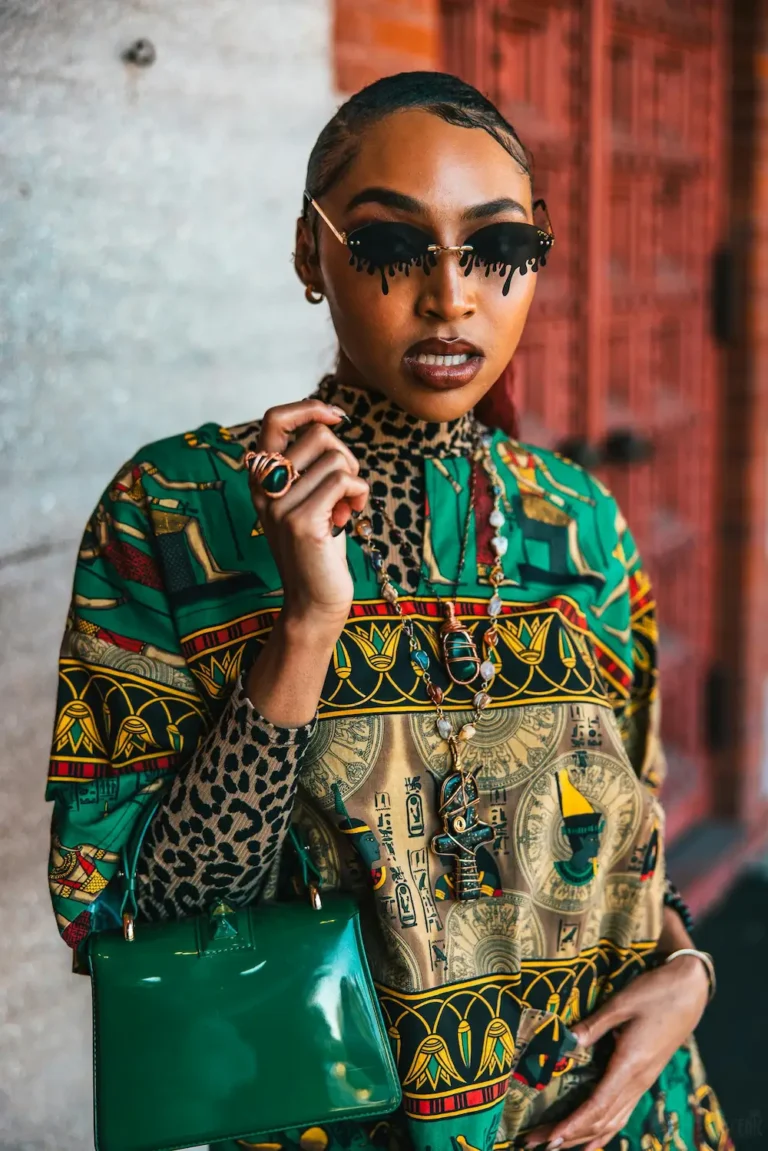
In many ways, the antithesis of Glamoratti, Old Money is an understated and restrained elegance. The “Old Money” aesthetic—often associated with terms like Quiet Luxury and Stealth Wealth—is a style and lifestyle movement inspired by the inherited wealth of established upper-class dynasties. Unlike “New Money,” which is traditionally associated with logos, flashy displays of wealth, and fast-moving trends, Old Money focuses on quality, heritage, and “effortless” sophistication.
The resurgence of Old Money (especially on platforms like TikTok and Pinterest) is largely a reaction against Fast Fashion and Logomania. In an era of disposable clothing, the appeal of a wardrobe that looks like it was inherited from a wealthy grandparent represents a desire for stability, sustainability, and classic beauty.
The “Old Money” Rule of Thumb: If a piece of clothing has a visible brand name larger than a postage stamp, it generally doesn’t fit the “Old Money” definition. It’s about the cut and the fabric, not the label.
In many ways, the 2026 Glamoratti trend is a reaction to what has become stagnant and boring about minimalist aesthetics. The question in 2026 is: do you need to pick a team? Is there a middle ground that balances glamour and restraint that better suits the mood of 2026? That personal decision is the fun of fashion. Bellow is a run down of the core tenants of the Old Money Style. Take and leave what you will!
The History
The history of “Old Money” as a style is a story of functional heritage evolving into a social code. It is less about fashion and more about the visual language of security, where clothing serves as a uniform for a specific set of generational habits and environments. In it’s modern iterations it’s about looking expensive – without looking like you are TRYING to look expensive. And the clothes don’t actually have to BE expensive. But they do have to look it. This means either: quality fabrics or exceptionally well maintained fabrics. Cheaper fabrics may need to ironed and layered to disguise quality inferiorities. You can best build an old money aesthetic by understanding the history of Old Money and it’s roots.
Functional Roots (19th Century – Early 20th Century)
The aesthetic began with the development of “technical gear” for the leisure activities of the British and American upper classes.
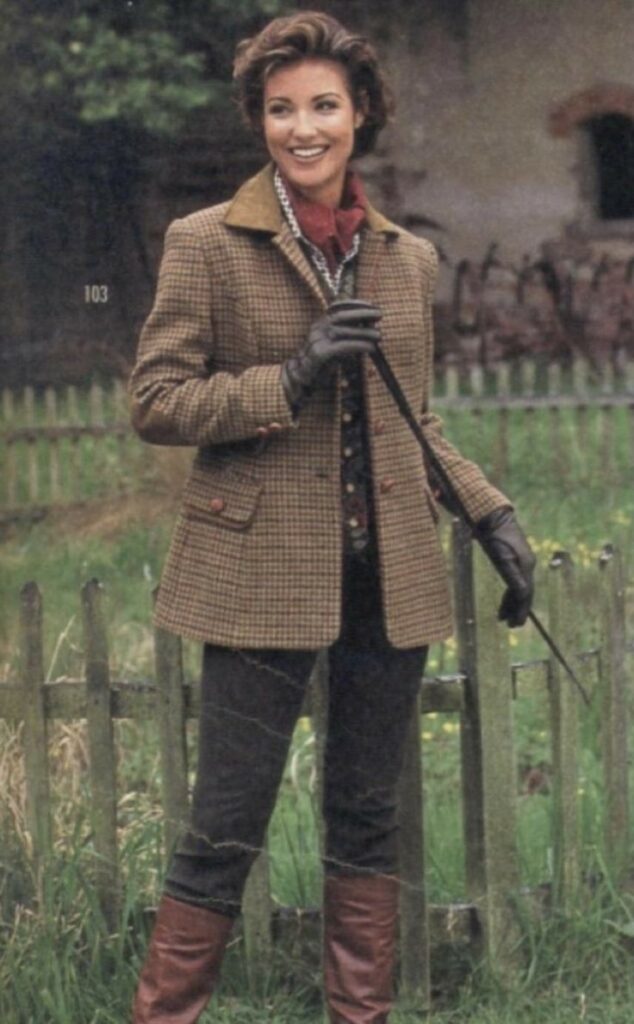
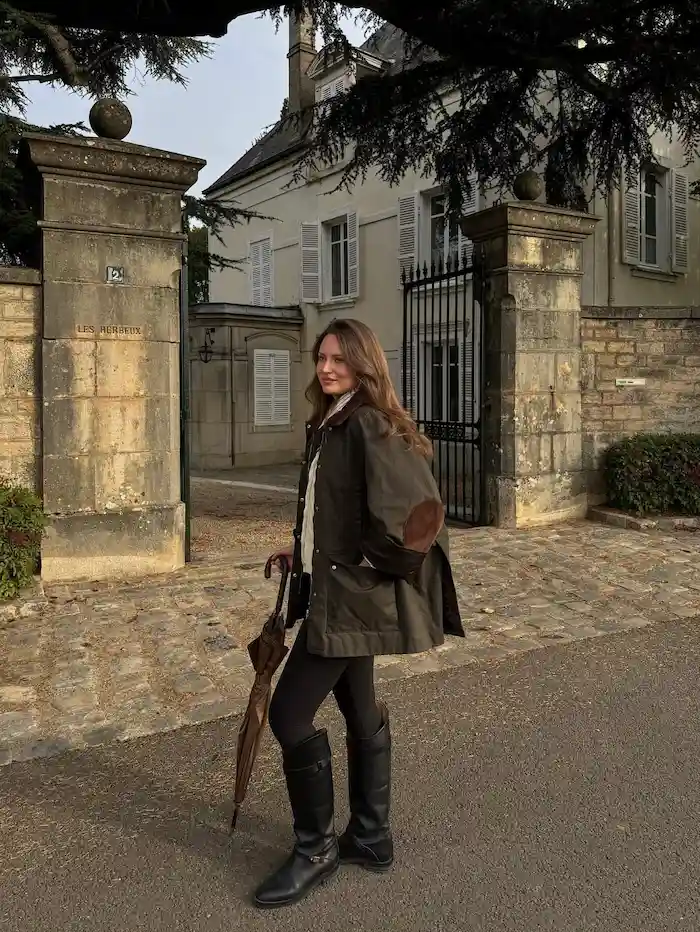
- The Uniform of the Estate: Fabrics like tweed, herringbone, and waxed canvas were chosen because they were indestructible. They were meant for land management, horse riding, and hunting—pursuits that required protection from the damp climates of the UK and New England.
- The “Lived-In” Philosophy: Because these items were expensive and durable, they were often kept for decades. This created the “Old Money” hallmark of patina—the idea that a coat looks better after twenty years of wear than it does on the day it was bought.
The Rise of “Preppy” (1950s – 1960s)
The style shifted from the countryside to the campus as the children of established families attended Ivy League and Oxbridge universities.
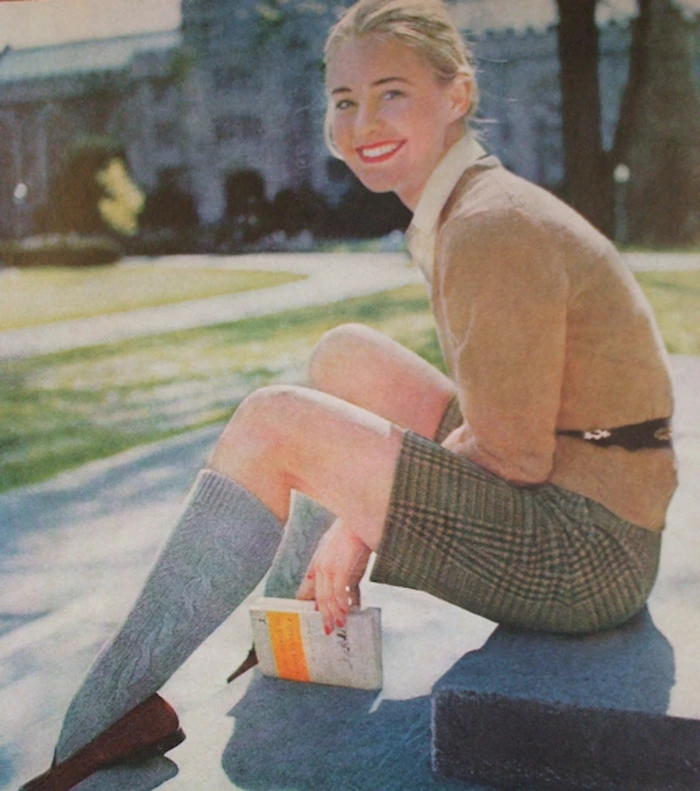
- The Collegiate Influence: Students began mixing their fathers’ formal tailoring with athletic gear. This era popularized the Oxford cloth button-down, shaggy dog sweaters, and loafers.
- The Casualization of Status: Wearing a “sporting” garment like a polo shirt or a navy blazer in a non-sporting environment became a way to signal one’s background without saying a word.
The Ralph Lauren Era (1980s)
In the 1980s, the style moved from a private social code to a global aspirational brand.
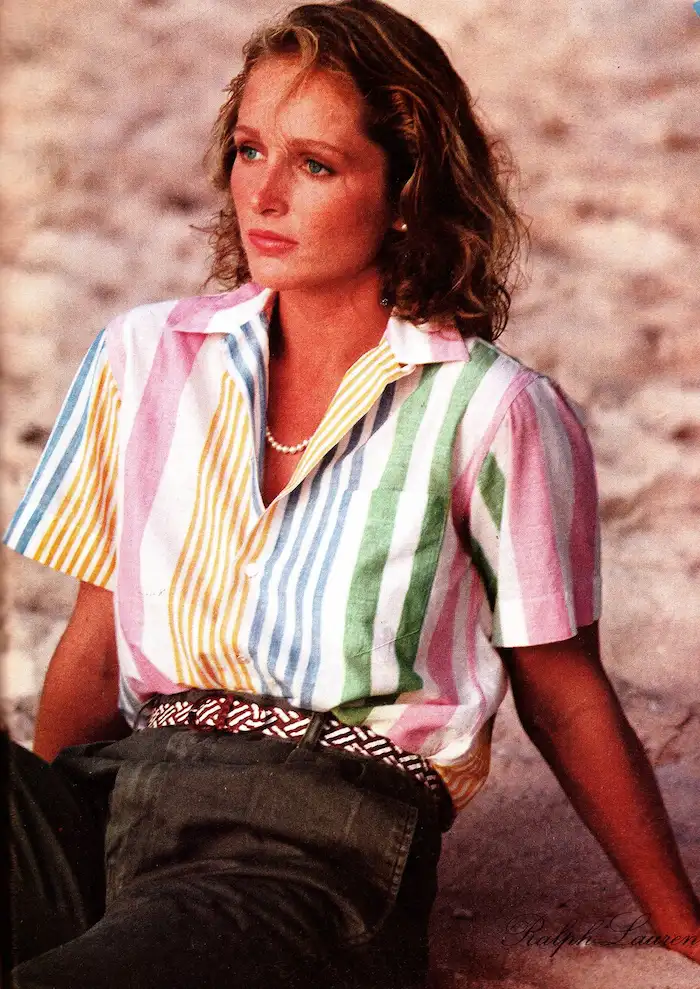
- Aspirational Marketing: Designers like Ralph Lauren and brands like Brooks Brothers took the elements of the “English Manor” and “New England Yacht Club” and sold them as a complete lifestyle.
- The Power Dressing Response: While the 80s were defined by the “loud” success of the Glamoratti, the Old Money look served as a counter-culture of stability, favoring the navy blazer and khaki chino over the neon and shoulder pads of the “New Money” set.
The Modern “Quiet Luxury” Resurgence (2020s)
The current fascination with “Quiet Luxury” is a reaction to the digital age and fast fashion.
- Anti-Logomania: In a world of disposable trends and loud branding, the Old Money aesthetic represents a rejection of the temporary. It prioritizes “Stealth Wealth”—wearing high-quality materials (cashmere, silk, linen) that only those “in the know” can recognize.
- The Sustainable Shift: The focus on quality over quantity aligns with modern interests in intentional living and environmental sustainability, as “Old Money” pieces are designed to last a lifetime.
The history of this style proves that it isn’t about looking rich; it’s about looking established.
The Core Philosophy
The guiding principle is discretion. The idea is that if you truly have nothing to prove, you don’t need to wear a giant logo to show your net worth.
- Quality over Quantity: Investing in a few “forever” pieces rather than a closet full of trendy items.
- Understated Elegance: Clothing should be well-tailored and functional but never “loud.”
- Timelessness: The goal is to look as though you could belong in any decade from the 1950s to today.
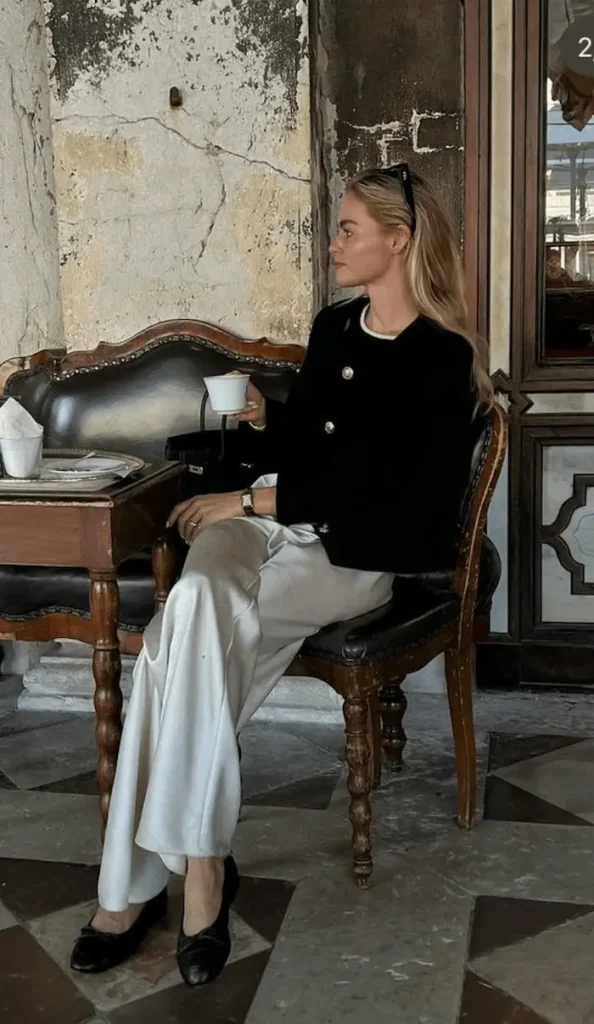
Key Visual Elements
If you’re looking to identify or emulate the style, look for these staples:
- Fabrics: Natural, high-end materials like linen, silk, cashmere, wool, and high-quality cotton.
- Colors: A neutral palette of navy blue, beige, cream, white, forest green, and burgundy.
- Tailoring: Garments that fit perfectly—neither too tight nor oversized.
- Accessories: Simple leather loafers, pearl earrings, vintage-style watches (like a Cartier Tank), and silk scarves.
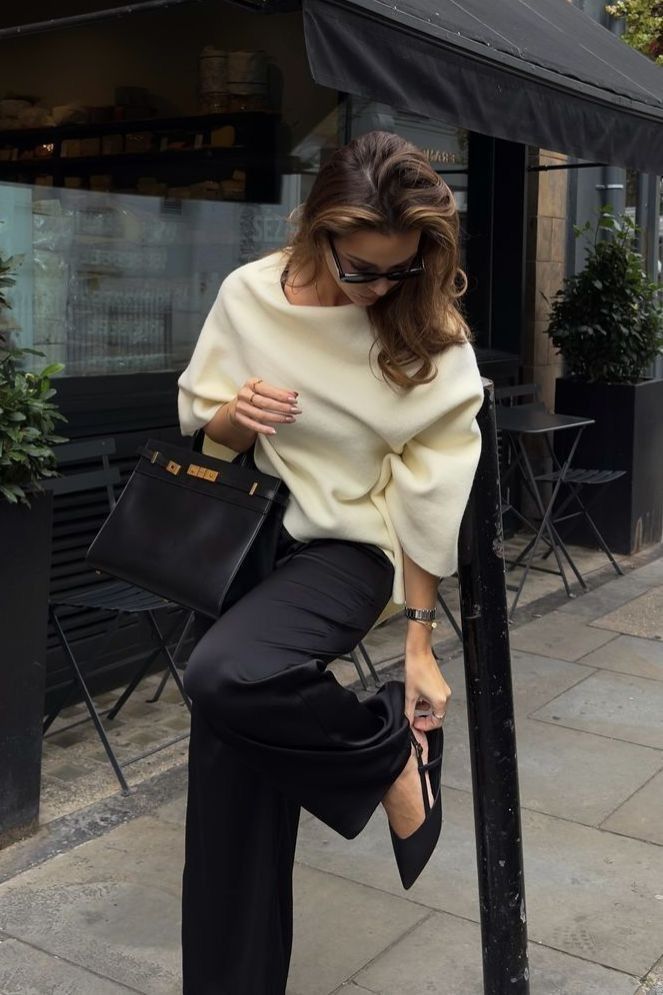
Lifestyle & Activities
The aesthetic isn’t just about clothes; it borrows heavily from the recreational activities associated with historical European and American elite circles:
- Equestrianism: Polo, horseback riding, and tall leather boots.
- Racket Sports: Tennis and squash, specifically white pleated skirts and cable-knit sweaters.
- Nautical: Sailing and yachting culture (stripes and boat shoes).
- Education: The “Preppy” look associated with Ivy League schools and Oxford/Cambridge.
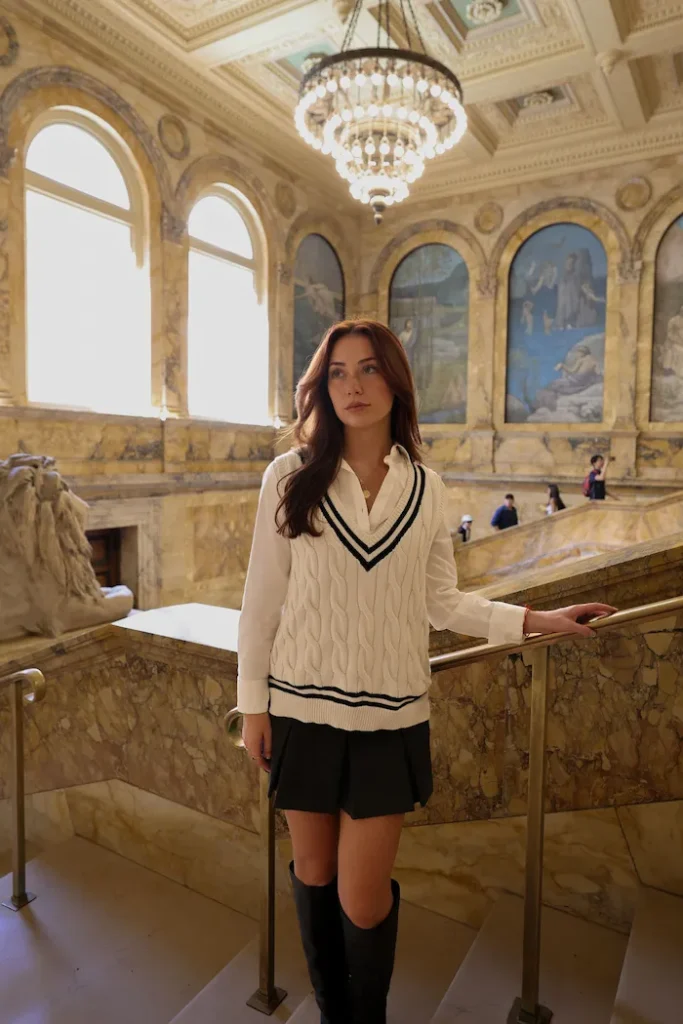
The Art of Assembly: Styling Principles
Moving from the theory of heritage style to a practical wardrobe requires a shift in focus: seeing your clothing as a long-term curation rather than a seasonal collection. By applying a few strategic design principles, you can transform even basic pieces into a cohesive look that feels both intentional and timeless.
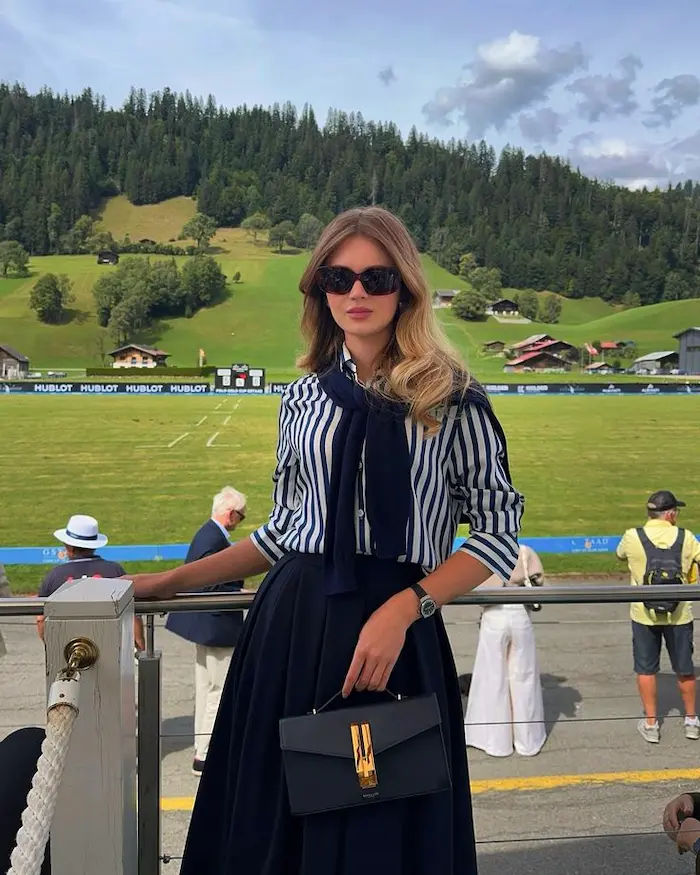
The “Tonal” Formula
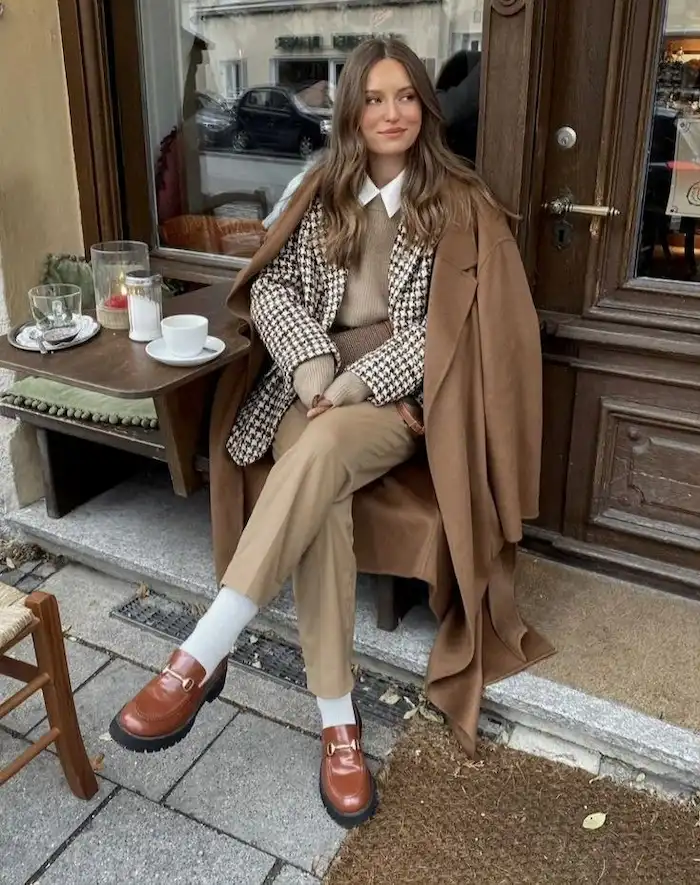
Wear different shades and textures of the same color (e.g., a cream knit, beige trousers, and a tan belt). This removes visual clutter and makes any outfit look more expensive because it appears highly curated.
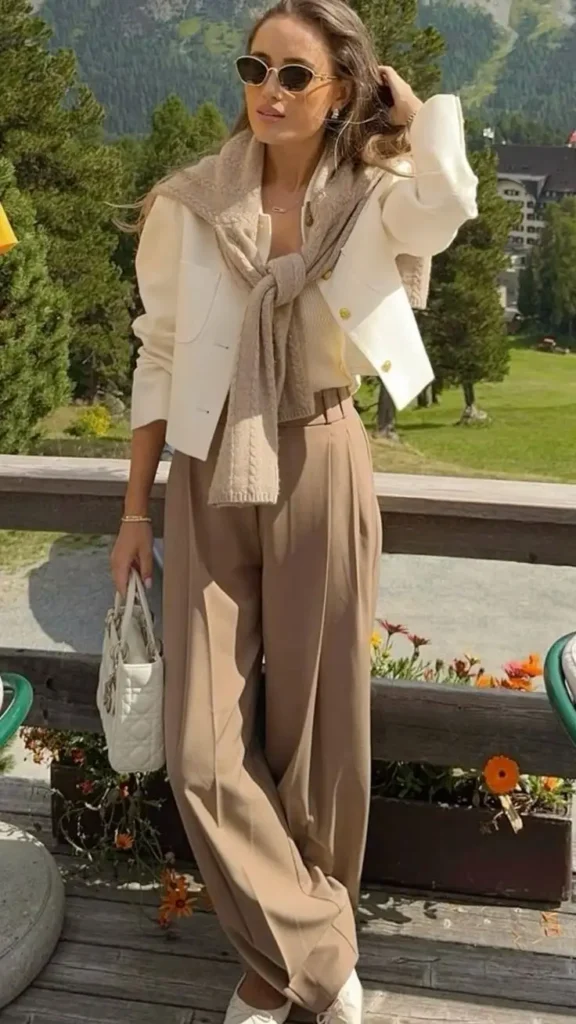
Prioritize “Dry” Textures
Look for fabrics that have a flat, matte finish rather than a shiny or synthetic sheen. Linen, high-quality cotton, and matte wool look grounded and historical, whereas shiny polyesters often scream “mass-produced.”
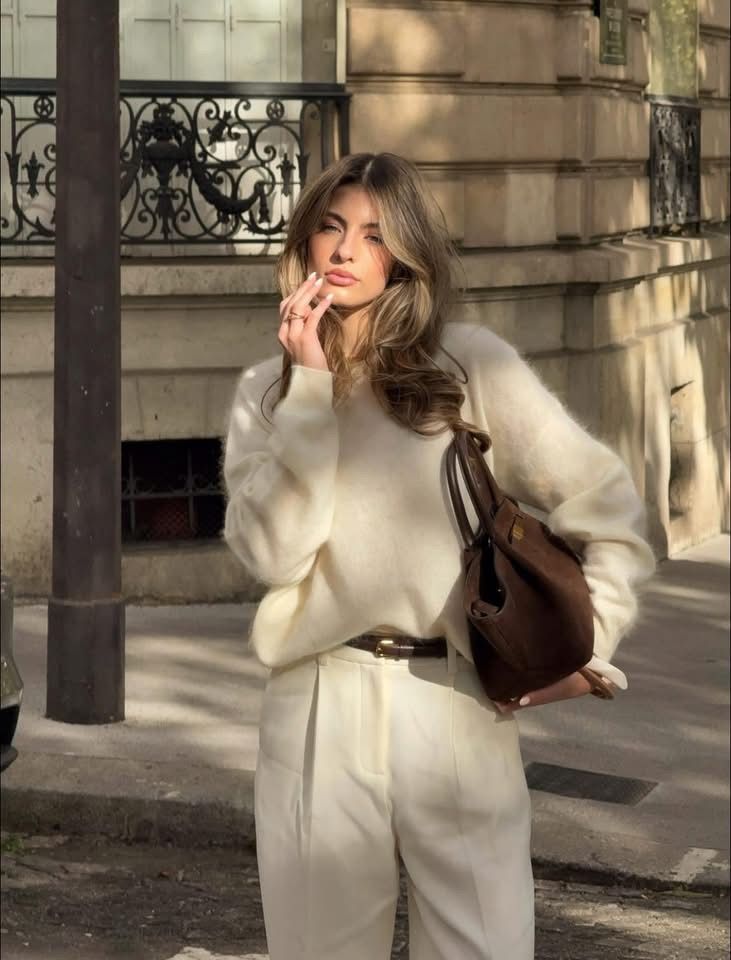
The “Third Piece” Rule
In “Old Money” styling, a look is rarely just a top and bottom. Adding a third element—like a sweater draped over the shoulders, a structured blazer, or a simple leather belt—adds the layer of “completeness” seen in high-end editorial looks.
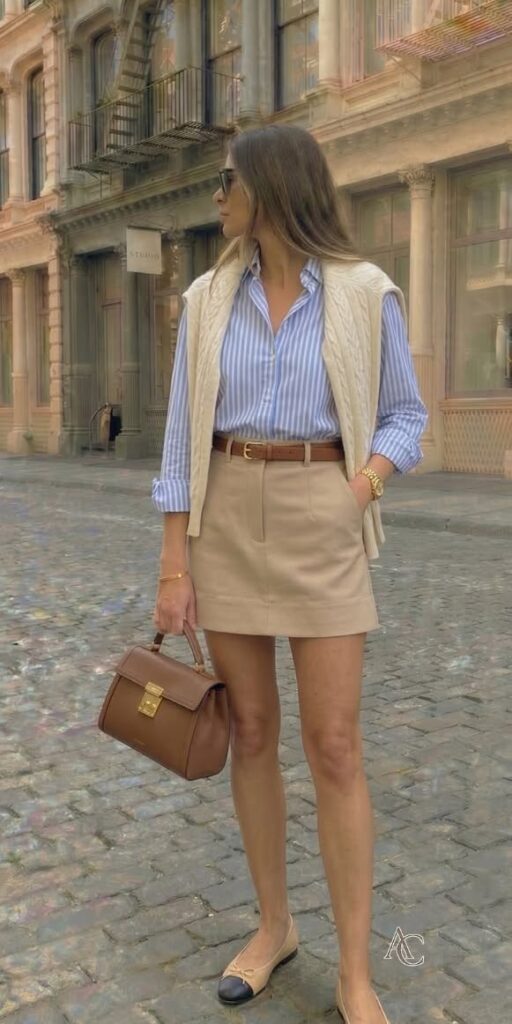
Focused Tailoring
The biggest differentiator isn’t the brand; it’s the break of the pant and the width of the shoulder. Aim for a “straight” or “tapered” fit that skims the body rather than squeezing it. Having a $20 pair of trousers tailored to hit exactly at the top of your shoe changes the entire vibe.
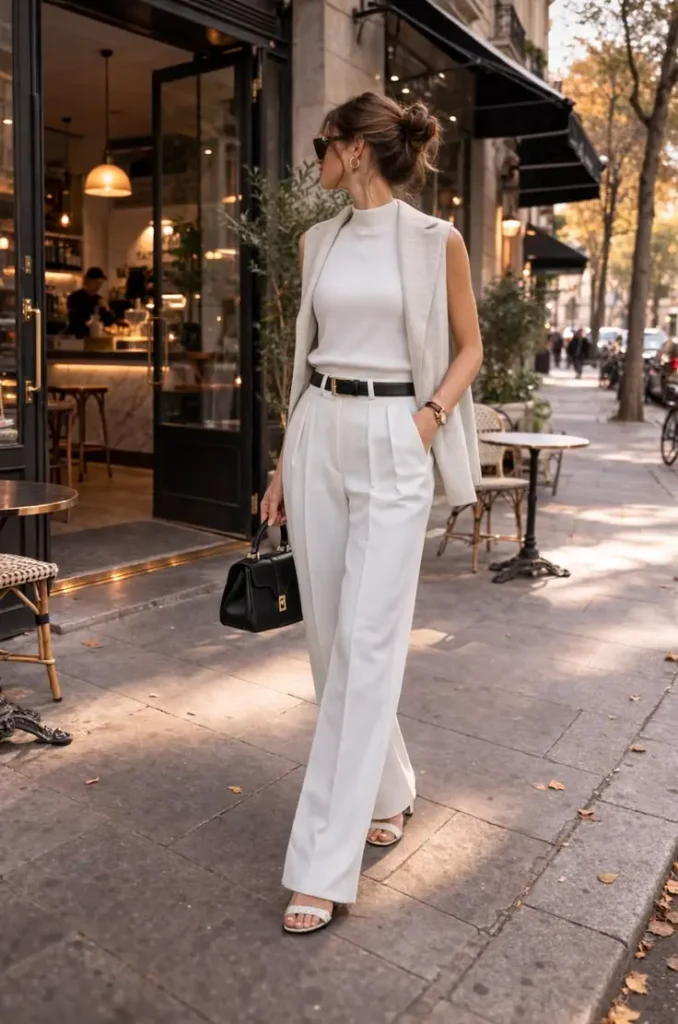
Mid-Tone Color Palettes
Avoid “stark” contrasts like bright white paired with jet black. Instead, move toward softer mid-tones:
- Ecru instead of bright white.
- Charcoal instead of black.
- Navy instead of royal blue.
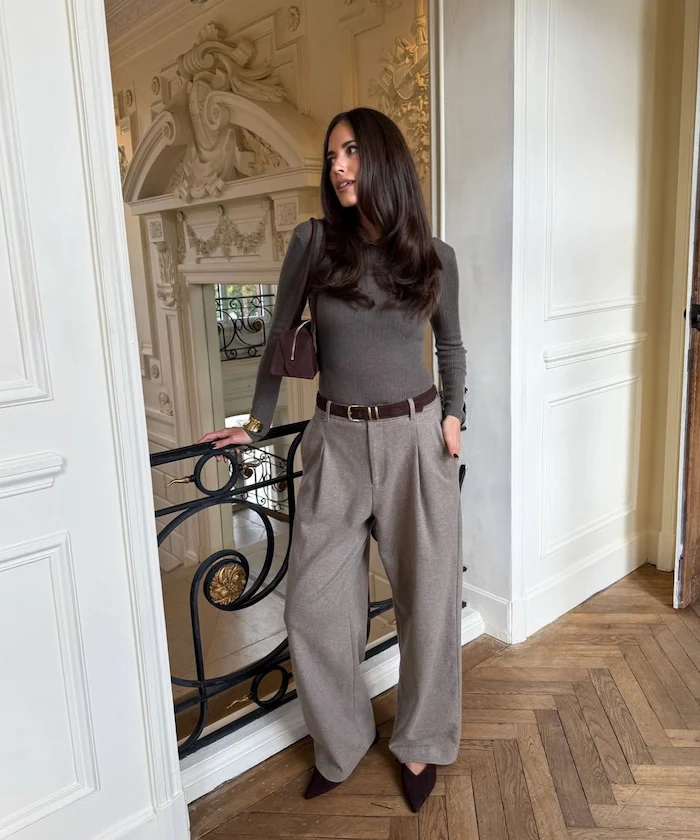
Subconscious Branding
If you wear accessories, choose things that have functional heritage. A field watch, a simple gold band, or a leather tote with no visible logo. The “luxury” is felt in the weight and the stitching, not seen in a monogram.
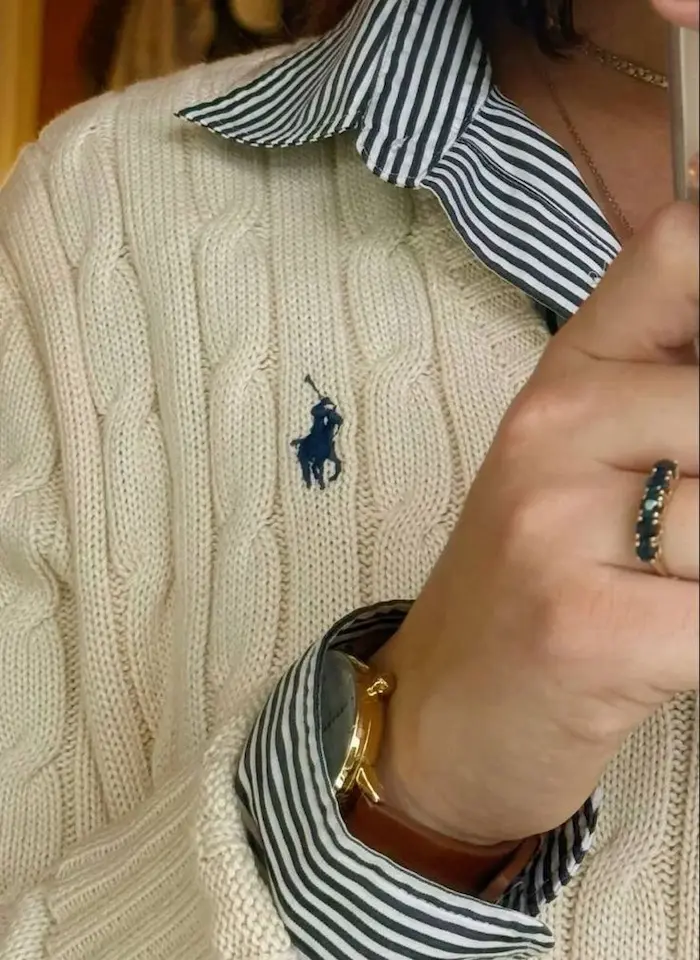
The “Crisp” Factor
Quiet luxury relies heavily on maintenance. A perfectly steamed shirt, shoes that are buffed (not necessarily shiny, just clean), and well-kept hair do more for the aesthetic than the price tag of the clothes themselves.
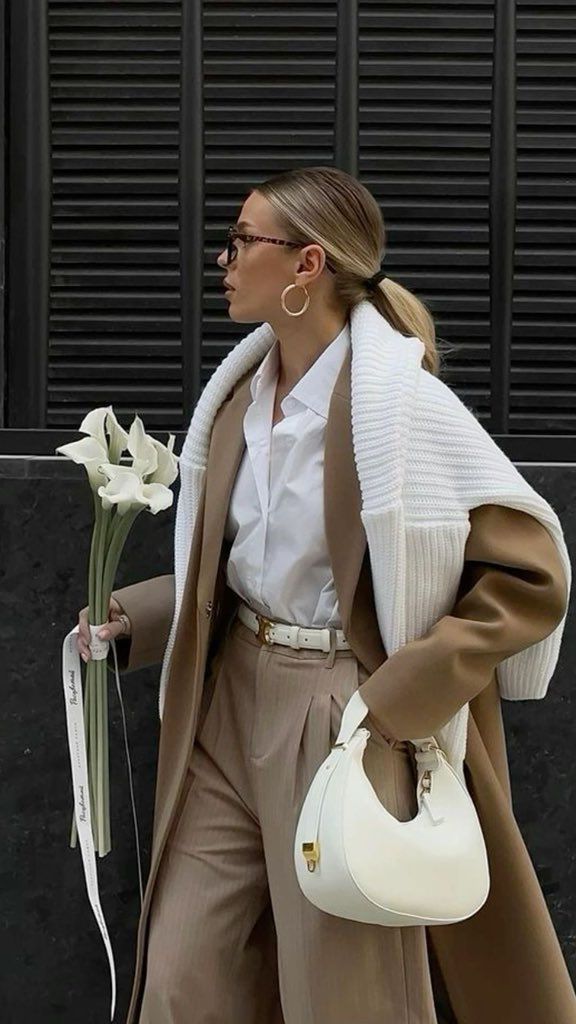
Nautical & Equestrian Proportions
Borrow the silhouettes of classic sports. Think high-waisted trousers (equestrian) or breton stripes and boat necks (nautical). These proportions are coded into the “Old Money” look because they’ve been the uniform of leisure for a century.
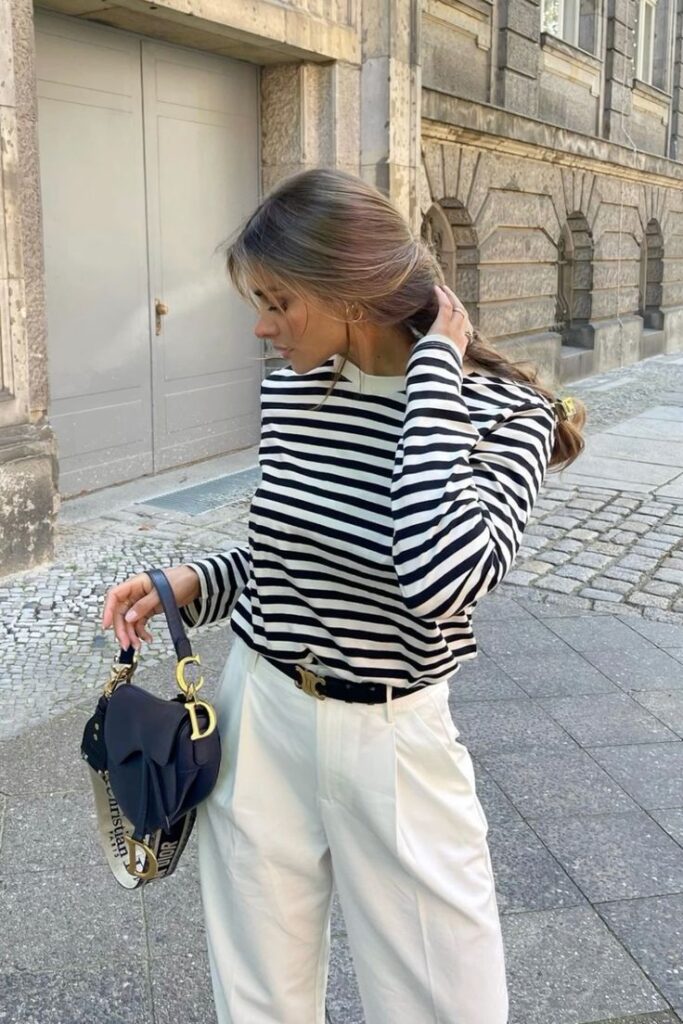
Contrast the “Weight”
Mix heavy and light fabrics. Pair a chunky cable-knit sweater with lightweight linen trousers. This play on textures suggests a wardrobe built over time for different climates and seasons.
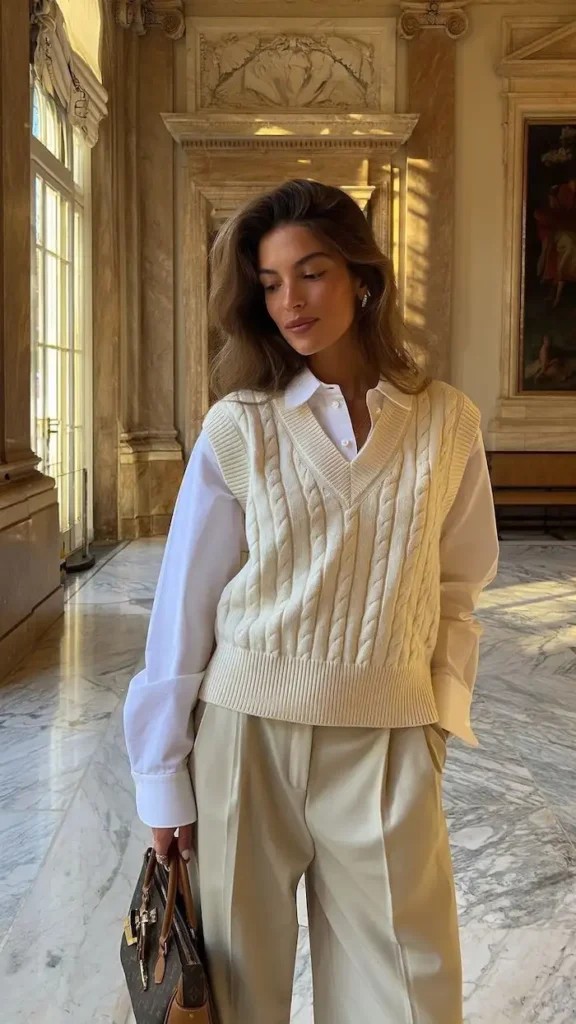
Intentional Minimalism
Remove one thing before you leave the house. The goal is to look like you didn’t try too hard. If you have a watch, a ring, a necklace, and a belt, try removing the necklace. The less you “decorate,” the more the quality of the individual pieces stands out.
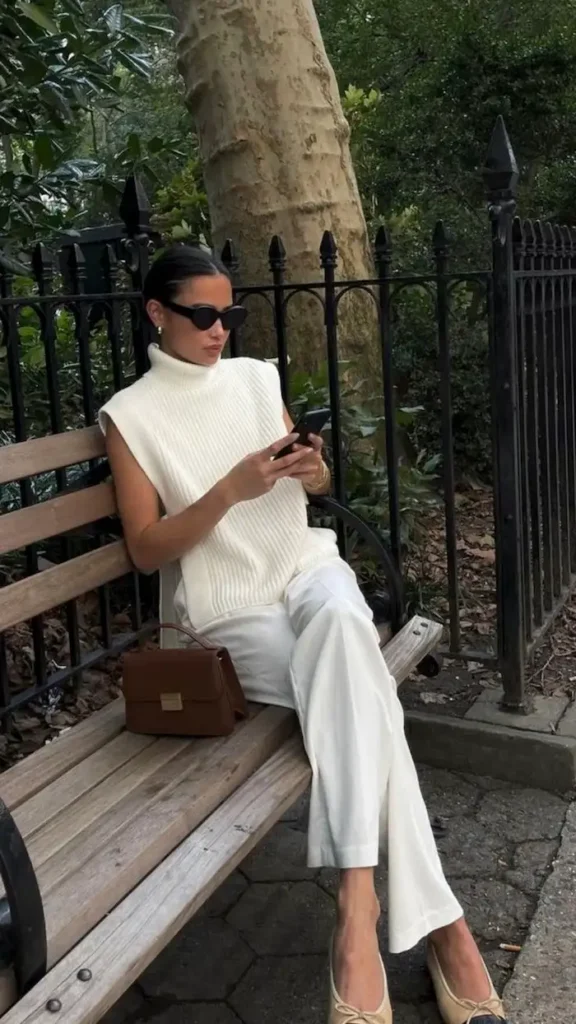
The Influence of Leisure on Style
The relationship between “Old Money” style and hobbies is rooted in functional heritage. These dress styles weren’t originally designed for fashion; they were technical uniforms for specific outdoor pursuits. Over time, these functional pieces became symbols of the lifestyle itself.
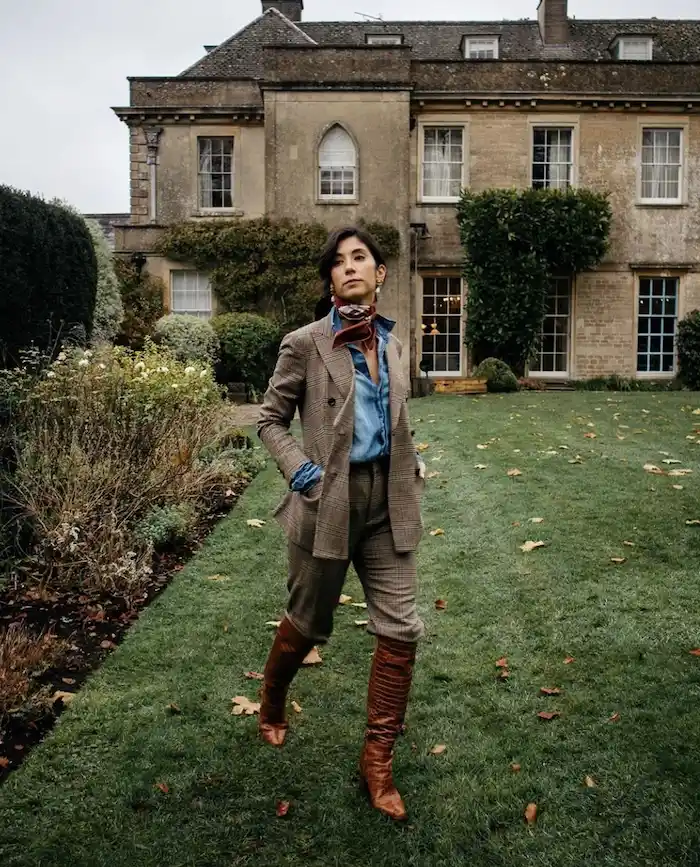
Here is a comprehensive guide to the six pillars of hobby-led heritage style.
The Equestrian & Estate Pillar (Polo & Management)
This is the backbone of “Old Money” dressing, emphasizing durability, structure, and protection.
- The Influence: Managing a country estate or playing polo required clothes that could withstand friction and weather.
- Key Elements: Tailored blazers with elbow patches, knee-high leather boots, quilted vests, and waxed canvas jackets.
- The Fabric: Heavy tweeds, corduroy, and high-grade leather designed to develop a patina over decades.
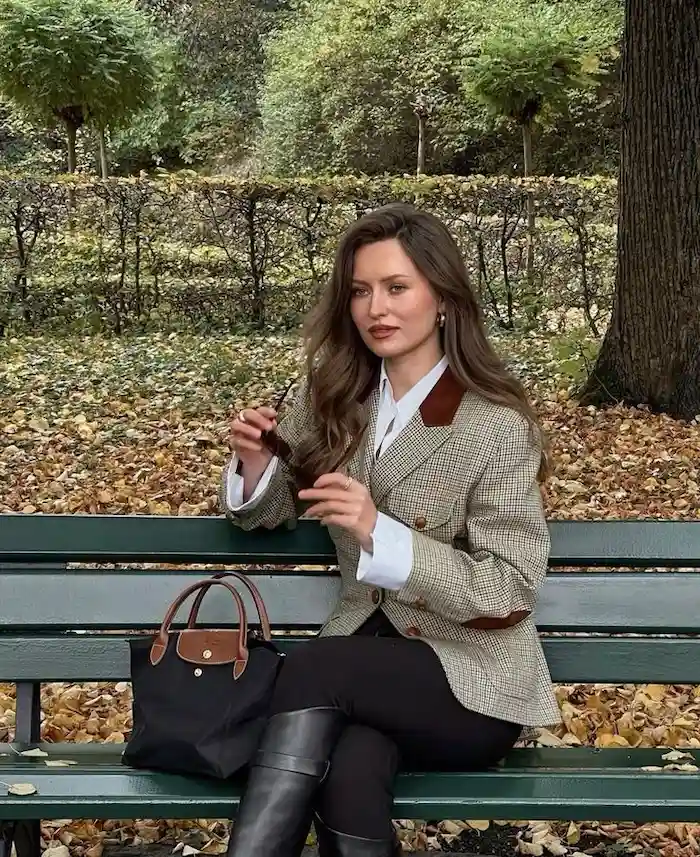
The Racquet Sports Pillar (Tennis & Squash)
Tennis introduced breathability and movement into the aesthetic, shifting the palette toward lighter tones.
- The Influence: A move away from heavy wools toward athletic garments that allowed for agility on the court.
- Key Elements: Cable-knit cricket sweaters, pleated white skirts, and canvas plimsolls.
- The Palette: Dominated by “Tennis White” and cream, symbolizing a life of refined leisure.
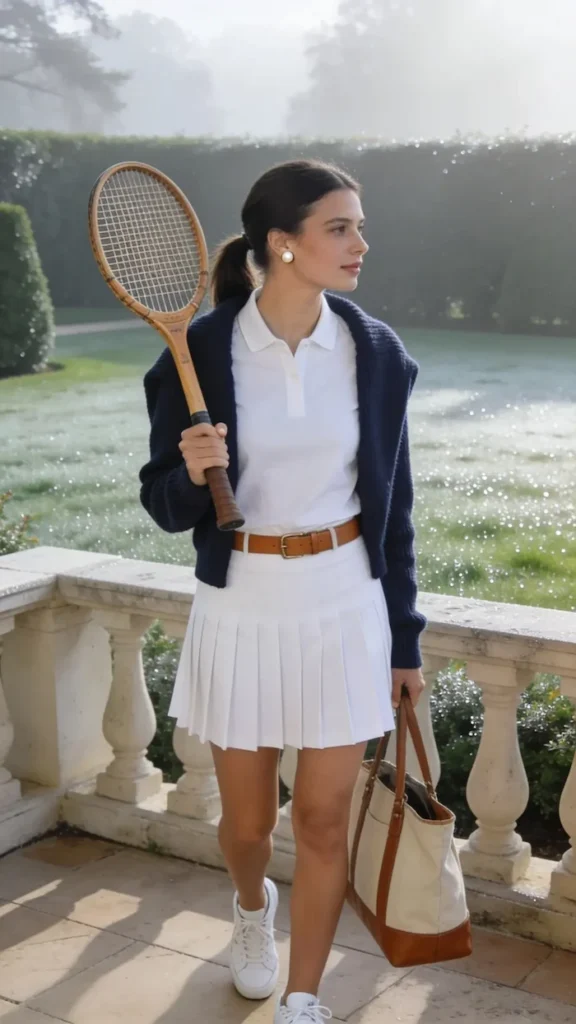
The Nautical Pillar (Sailing & Yachting)
Sailing style focuses on utility against the elements while maintaining a crisp, seafaring silhouette.
- The Influence: Clothing designed for high-visibility and grip on wet, windy decks.
- Key Elements: Breton stripes, navy blue pea coats, and siped-sole boat shoes.
- The Aesthetic: Heavy reliance on Navy and White color blocking with functional brass-button detailing.
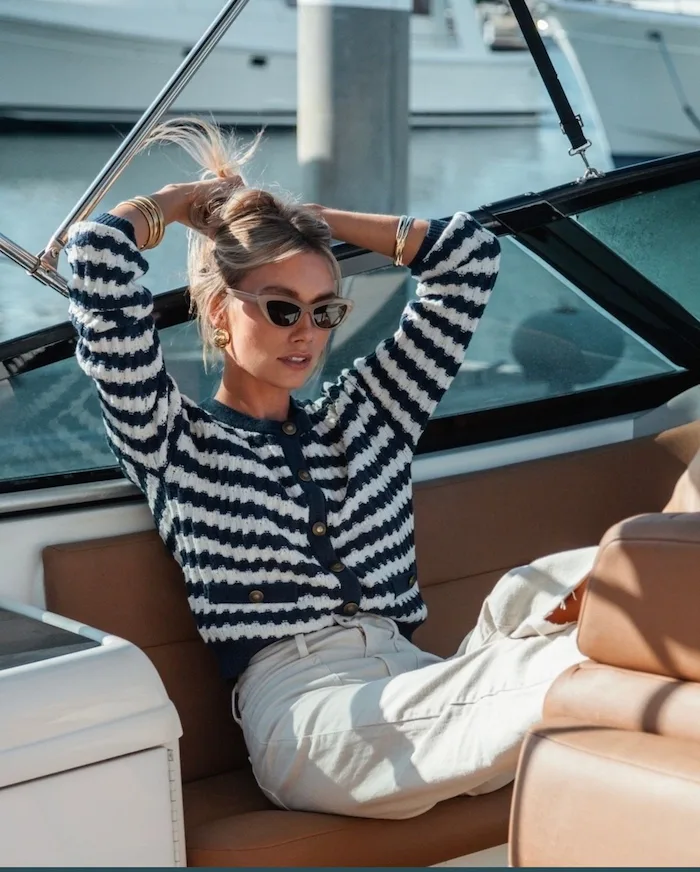
The Intellectual Pillar (Academia & Archiving)
This “Preppy” branch of the aesthetic is rooted in the drafty libraries of Ivy League and Oxbridge universities.
- The Influence: The scholarly life required layers that were comfortable for long hours of study in unheated stone buildings.
- Key Elements: Herringbone blazers, leather satchels, and spectacles.
- The Vibe: A “literary” look that prioritizes wool and tweed textures.
The Alpine Pillar (Skiing & Hiking)
Before modern synthetics, winter leisure was defined by heavy, natural insulation and “Après-ski” elegance.
- The Influence: Staying warm in mountain climates while transitioning seamlessly from the slopes to the fireside.
- Key Elements: Fair Isle sweaters, shearling-lined coats, and thick ribbed socks.
- The Vibe: Rich, cozy textures that look expensive due to their sheer density and craftsmanship.

The Country Club Pillar (Golf & Field Sports)
This style bridges the gap between formal and athletic, creating the “tidy” silhouette of mid-century leisure.
- The Influence: Golf and fly fishing required a range of motion and specialized storage (like multi-pocket vests) without breaking dress codes.
- Key Elements: Chino trousers, argyle patterns, and lightweight quarter-zip pullovers.
- The Palette: Strictly functional earth tones like olive, tan, and slate to blend into the natural environment.
Summary of Heritage Roots
| Influence | Key Contribution | Primary Fabrics |
| Equestrian | Structure & Durability | Tweed, Leather, Waxed Canvas |
| Tennis | Fluidity & Lightness | Cotton Piqué, Jersey |
| Nautical | Weather Protection | Heavy Wool, Technical Canvas |
| Academia | Layering & Literacy | Herringbone, Corduroy |
| Alpine | Thermal Texture | Shearling, Cashmere, Fair Isle |
| Golf/Field | Mid-Century Polish | Chino, Merino Wool |
The “Quiet Luxury” Design Principles
Instead of looking for a specific label, look for these three characteristics in any piece of clothing:
- Matte Textures: Shiny fabrics (like cheap synthetics) often look “loud.” Quiet luxury favors matte finishes—think brushed cotton, matte silk, or dry wool.
- Deconstructed Shapes: Avoid anything too “stiff” or overly padded. The look is about a natural silhouette—blazers that follow the shoulder line rather than creating a new one.
- The “Mid-Tone” Palette: While everyone mentions beige, the secret is staying in mid-tones. Avoid neon or “primary” colors (bright red, bright yellow). Stick to colors found in nature, like stone, olive, slate, and clay.
Why the “Product” Approach Fails
The irony of the “Quiet Luxury” trend is that trying too hard to buy into it often ruins the effect. The aesthetic is meant to look unstudied.
- The “Heirloom” Feel: A slightly worn-in pair of leather loafers looks more “Old Money” than a brand-new, plastic-shiny pair.
- Function over Fashion: The style originated from people wearing clothes designed for a specific purpose—sailing, riding, or hiking. When you wear a field jacket because it’s practical for the weather, you naturally hit the aesthetic better than wearing it just for the “look.”
How to Style What You Already Have
You can often achieve this look without buying anything new by changing how you put things together:
- Remove Contrast: Instead of a white shirt with black pants (high contrast), try a cream shirt with tan pants (low contrast). This creates a longer, more sophisticated line.
- Focus on Grooming: Because the clothes are simple, the “luxury” comes from being well-kept. Neat hair, clean shoes, and a steamed shirt do more for this aesthetic than a designer logo ever will.
- The “One-Third” Rule: If you are wearing a casual outfit (jeans and a tee), add one structured element, like a trench coat or a leather belt, to ground the look.
‘Now that you’ve finsihed this deep dive into the Old Money aesthetic, if you think this style is “you” then you might be interested in taking the Old Money Style Roots Quiz to find your Old Money Style Roots. Never heard of Style Roots? Head here to learn more.