Discover how Rococo and Coquette Influences are Redefining Feminine Fashion
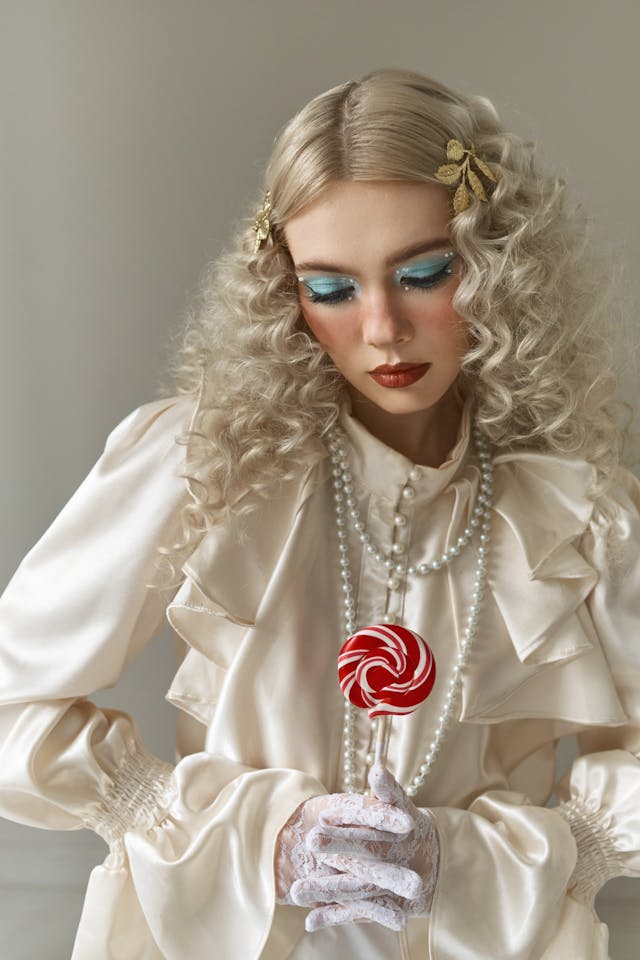
Coquette is a hyper-feminine, romantic aesthetic that leans heavily into Victorian and Rococo-inspired charm. It is characterized by a “flirty” yet innocent demeanor, emphasizing softness, playfulness, and vintage-inspired whimsy.
Core Elements of the Style
The look is defined by specific textures and silhouettes:
- Fabric & Trim: Heavy use of lace, silk, satin, and sheer fabrics. Ribbons and bows (especially tiny “hair bows”) are the most recognizable hallmark.
- Colors: A palette dominated by pastels—baby pink, cream, white, and soft lavender—often paired with dainty floral prints or pearls.
- Silhouettes: Pointelle knits, Mary Jane shoes, frilly socks, slip dresses, and corseted tops.
Modern Coquette
This image is a quintessential example of Modern Coquette with a strong “Dollette” or “Loli-inspired” influence. While it borrows structural pieces from history, the execution is very contemporary and playful.
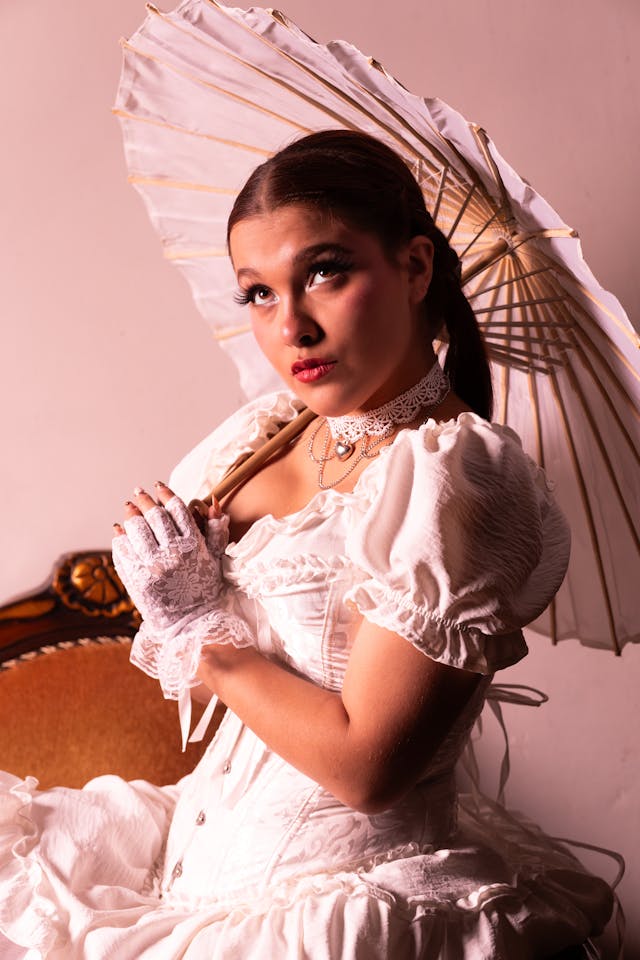
Here is how this look breaks down:
1. The Coquette/Dollette Markers
This is “Coquette” because of the specific combination of accessories:
- The Heart Choker: The white lace choker with a silver heart pendant is a “textbook” Coquette accessory. It signals a modern, youthful aesthetic rather than a historical one.
- The Parasol: While parasols are historical, using a paper/bamboo style parasol in an indoor, stylized photo shoot is a common trope in modern Coquette and “soft-girl” photography.
- The Makeup: The focus on high-shimmer “inner corner” highlight and long, wispy lashes creates a doll-like appearance that defines the current trend.
2. Historical Subversion (The “Pseudo-Rococo”)
There are echoes of Rococo and Victorian styles, but they’ve been modified:
- The Corset: This is a modern fashion corset (worn as outerwear) rather than a historical undergarment. The visible busk (the metal fasteners down the center) is a common detail in modern “corset-core.”
- Puff Sleeves: The short, gathered puff sleeves with ruffle trim are a modern take on 18th-century “chemise” styles, but shortened for a cuter, more youthful silhouette.
- Lace Fingerless Gloves: These are very popular in the “Dollette” subculture, adding a vintage touch without the formality of full Edwardian gloves.
Style Roots (Ellie-Jean Royden System)
When analyzed through the Style Roots matrix, the Coquette aesthetic is a precise blend of three specific influences:
- Flower: This is the primary root. It provides the dainty, feminine, and delicate qualities (lace, bows, and pastels).
- Moon: This adds the slightly moody, vintage, or “alt” edge often seen in the Lana Del Rey-inspired version of Coquette. It’s what keeps it from being purely “childlike” and gives it a touch of mystery.
- Fire: This brings the “flirty” or sensual aspect. It manifests through silhouettes like corsetry, mini skirts, and delicate lingerie-inspired pieces.
In the Style Roots system, the “big three” for an aesthetic can absolutely shift depending on how you personally interpret and wear it. While Moon is a very common root for the TikTok-famous version of Coquette, it is by no means mandatory.
Here is a breakdown of why Moon is often cited, but also how you can swap it for other roots like Earth or Mountain to change the “flavor” of the style.
Why Moon is usually included (The “Dark” Coquette)
Moon is the root of mystery, darkness, and the “alternative.” It appears in Coquette because the aesthetic often leans into:
- The Melancholia: The “sad girl” vintage vibe (think Lana Del Rey).
- The Contrast: Pairing delicate white lace with heavy black boots or dark eyeliner.
- Subversion: Using innocent symbols (like bows) in a way that feels slightly rebellious or “edgy.”
However, if you don’t like the moody or alt side of the trend, you can absolutely drop Moon.
Alternative Root Combinations
Depending on your personal style, you might find that Coquette fits better with these combinations:
1. Flower + Earth + Moon (The “Earthbound” Coquette)
This is a softer, more “natural” version.
- The Shift: Instead of synthetic satins, you use linen, cotton, and pointelle knits.
- The Vibe: It feels more like a “Cottagecore” hybrid. It’s less about the city and more about a wild garden.
- Details: Unpolished hair, straw hats with ribbons, and more muted, “grown from the ground” colors.
2. Flower + Fire + Mushroom (The “Clean” Coquette)
If you prefer things to look polished and expensive rather than moody.
- The Shift: You replace the “alt” edge of Moon with the Mushroom root (symmetry, simplicity, and elegance).
- The Vibe: It feels more like “Old Money” or “Balletcore.”
- Details: Neat buns, simple pearl earrings, and high-quality silk ribbons rather than messy lace.
3. Flower + Fire + Mountain (The “Power” Coquette)
This is for someone who wants the femininity but needs to look professional or “boss-like.”
- The Shift: Mountain adds structure—think sharp blazers or tailored trousers but in pastel colors with a bow at the neck.
- The Vibe: A “Coquette Professional” look.
Origins and Evolution
The style didn’t emerge from a single source but is a “collage” of several historical and cultural movements:
- 18th Century Rococo: The obsession with bows, Marie Antoinette-esque luxury, and ornate detailing.
- Vladimir Nabokov’s Lolita: While the aesthetic has moved away from the darker themes of the book, it initially drew from the “nymphet” visual trope—heart-shaped glasses and cherry motifs.
- Japanese Lolita Fashion: Specifically “Sweet Lolita,” which popularized the doll-like, layered lace look.
- The 2010s “Tumblr” Era: The style was heavily influenced by the “Vintage Americana” and melancholic glamour aesthetic popularized by Lana Del Rey.
Why is it popular now?
The current explosion of Coquette (often referred to as “Coquettecore” on TikTok) can be attributed to a few modern shifts:
- Hyper-Femininity as Empowerment: After years of “normcore” and “streetwear” dominance, there has been a massive swing toward embracing traditional feminine symbols (bows, pink, soft textures) as a form of self-expression rather than a stereotype.
- The “Bow” Trend: The simplicity of adding a ribbon to anything—from a ponytail to a bagel—became a viral meme, making the aesthetic highly accessible and “pinnable.”
- Escapism: The dreamlike, romanticized nature of the style offers a visual escape into a softer, more beautiful world, which resonates during periods of global or economic stress.
- Thrifting Culture: The aesthetic relies on vintage-looking pieces (lace camis, pearls, cardigans), making it easy for Gen Z and Millennials to curate the look through secondhand platforms.
While Coquette and Rococo share a common DNA of ribbons, lace, and pastels, they are separated by nearly 300 years and very different intentions. One is a modern digital aesthetic, while the other was a total movement in art, architecture, and aristocratic life.
The Main Differences
| Feature | Rococo (18th Century) | Coquette (Modern Day) |
| Origin | An artistic movement in 1730s France. | A 2020s social media fashion aesthetic. |
| Scope | Encompassed architecture, painting, furniture, and music. | Primarily focused on fashion, makeup, and “vibes.” |
| Core Intent | A display of extreme wealth, status, and luxury. | A celebration of hyper-femininity and romanticism. |
| Key Symbols | Gold leaf, cherubs, heavy silk brocade, and massive wigs. | Hair bows, pointelle knits, Mary Janes, and lace camisoles. |
Rococo: The “Grand” Ancestor
Rococo (derived from the French word rocaille, meaning shell-work) was the “more is more” era of the French aristocracy. It was about opulence.
- Architecture & Art: Think of the Palace of Versailles. It features curved lines, pastel frescoes, and an obsession with asymmetry and nature (shells, flowers, and vines).
- The Look: It was highly structured. Women wore panniers (side hoops) that made skirts incredibly wide, and men wore heavily embroidered silk waistcoats. It was “costume” by today’s standards.
Coquette: The “Casual” Descendant
Coquette takes the motifs of Rococo—the bows, the flowers, the soft pinks—and shrinks them down into a wearable, everyday wardrobe.
- The Modern Spin: It mixes the high-luxury feel of the 1700s with 1990s “balletcore” and 2010s vintage styles. While Rococo was about being a “Grand Madame,” Coquette is about being “Dainty and Playful.”
- Accessibility: You don’t need a corset and a carriage to be Coquette; you just need a $2 ribbon from a craft store and a cardigan.
The “Bridge” Between Them
The 2006 film Marie Antoinette by Sofia Coppola is the ultimate bridge between these two. It used a modern soundtrack and candy-colored visuals to show the Rococo era through a lens that would eventually inspire today’s Coquette aesthetic.
Essentially, Rococo provided the blueprint of “fancy pink ruffles,” and Coquette took those ruffles and made them “cute and trendy” for the 21st century.
Hair Bows
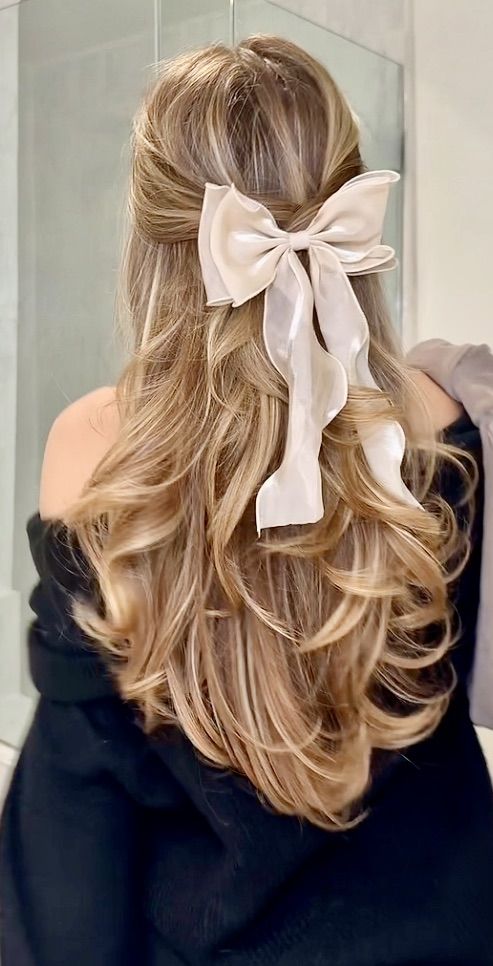
A hair bow is the absolute “mascot” of the Coquette aesthetic. While bows have existed in fashion for centuries, the specific way they are used right now is what makes them the defining symbol of “Coquettecore.”
Why it’s the Coquette “Uniform”
In this specific style, the hair bow isn’t just an accessory; it’s a statement of delicacy and hyper-femininity. It fits the aesthetic because:
- The Silhouette: It adds a soft, rounded shape to the head, leaning into that “doll-like” or “ornamental” look.
- The Material: Usually made of silk, satin, organza, or velvet, which aligns with the “Flower” and “Fire” roots.
- The Placement: Whether it’s a massive “ribbon” bow at the back of a half-up hairdo or tiny “baby bows” on the ends of braids, it emphasizes a playful, curated look.
Coquette Pearls
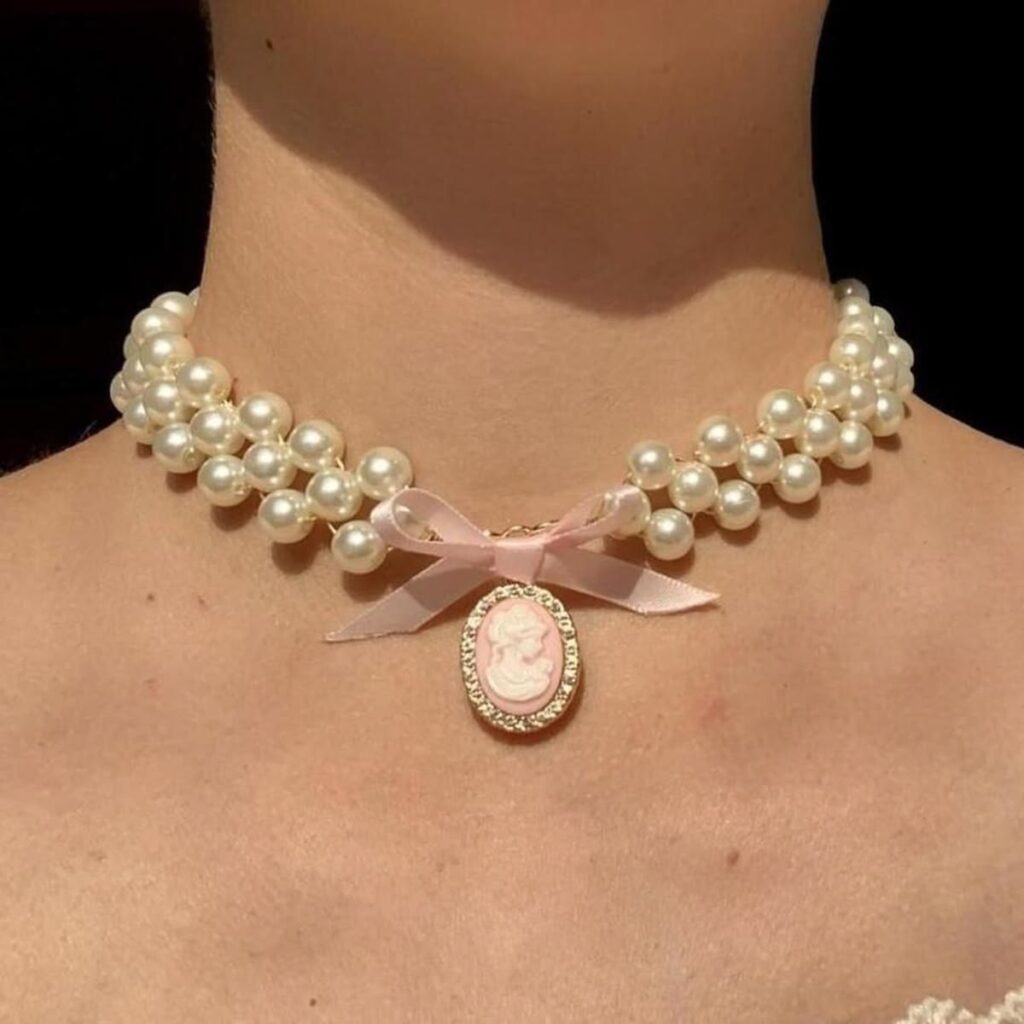
Pearls: Not the heavy, “grandma” kind, but thin strands, drop earrings, or even tiny pearls glued around the eyes for makeup.
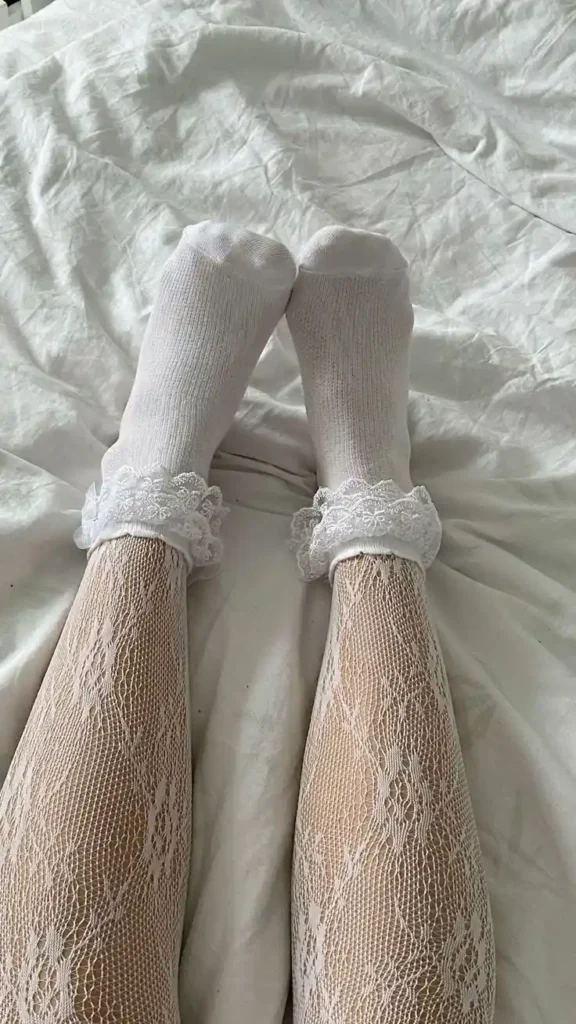
Coquette Lace Socks & Tights
Lace Socks & Tights: Frilly ankle socks worn with loafers or Mary Janes, and white pointelle or heart-patterned tights.
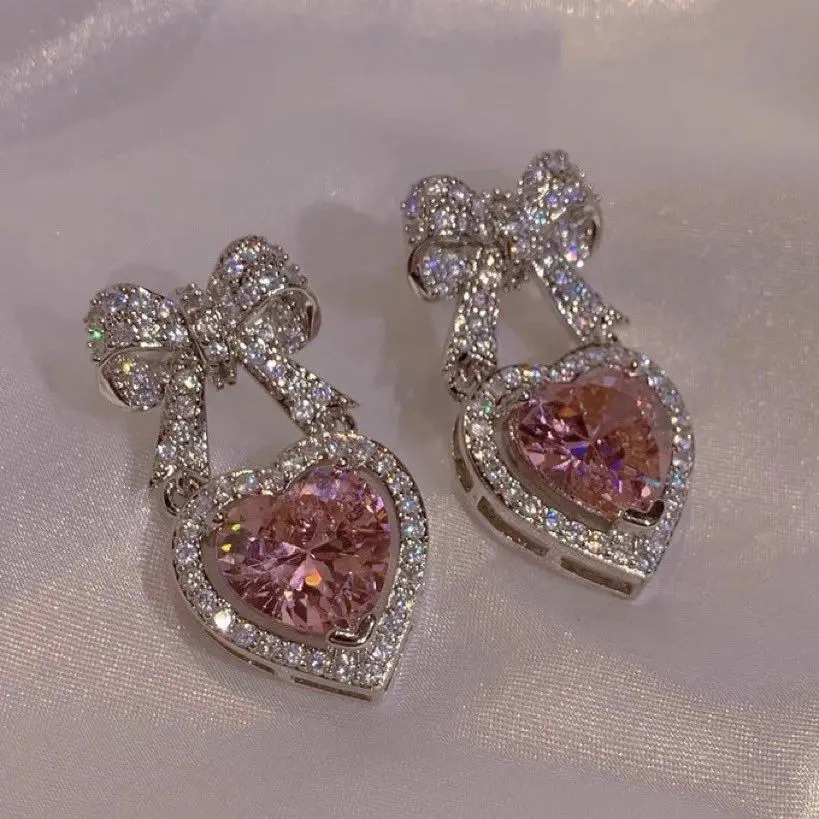
Heart-Shaped Coquette Elements
Heart-Shaped Everything: Lockets, earrings, and even sunglasses (a nod to the Lolita influence).
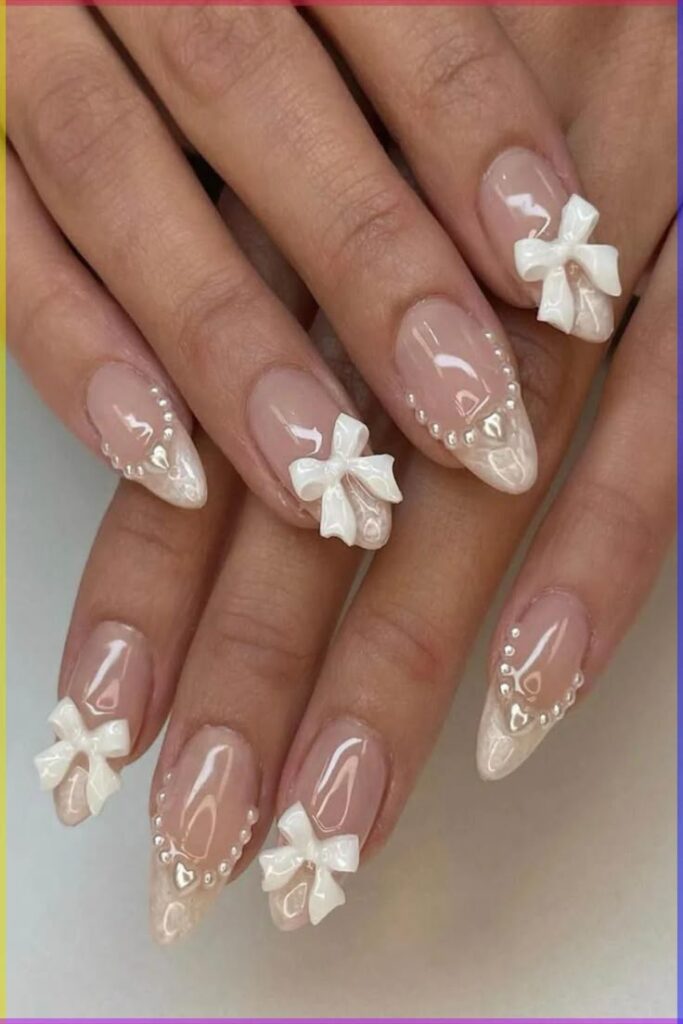
3D Coquette Nail Art
3D Nail Art: Manicures featuring tiny raised bows, pearls, or painted hearts are a huge part of the current digital aesthetic.
Fabric & Texture Details
- Pointelle Knits: Those lightweight sweaters with tiny decorative holes (often in the shape of diamonds or hearts).
Conclusion
In conclusion, whether you are leaning into the architectural opulence of Rococo or the soft, whimsical charm of Coquette, both aesthetics celebrate a return to hyper-femininity and historical romanticism. By blending intricate lace, delicate pastels, and vintage-inspired silhouettes, these trends allow for a creative fusion of 18th-century grandeur and modern “doll-like” styling.
Embracing these looks isn’t just about the clothes; it’s about curating an ethereal mood that turns everyday fashion into a work of art. As these styles continue to evolve and overlap on platforms like Pinterest and TikTok, they offer endless inspiration for anyone looking to add a touch of timeless elegance and playful nostalgia to their personal style.