Grunge: Explore the History of Alternative Style to Find Your Grunge Style Roots
Continue reading for the history and evolution of grunge. Or skip straight to the Style Roots here.
90s Grunge Musical Root
One might view the anti-fashion aesthetic of 90s grunge as a stylistic and cultural response to the bright colours, cheesy pop music and materialist and consumerist culture of the 80s. It cannot be ingored that in the 90s there the music culture saw the return to prominence of the rock band. Think Chili Peppers, Pearl Jam and Nirvana. While around since the 80s, the Chili Peppers had their first major commercial success, Blood Sugar Sex Magik in 1991. In the same year, Nirvana released Nevermind, their thirteen-times platinum music phenomena. Peal Jam released their album Ten on August 27 of the same year and after a slow start because a breakthrough success by the second half of 1992.
The Anti-Fashion Fashion
Much of how the aesthetic was interpreted in woman’s fashion was heavily influenced by music culture and the explosion of grunge bands. The staples of the grunge aesthetic were fitting for rock concerts: think slip dresses, Doc Martens, chokers and crop tops.
Grunge was the first “Viral Trend”
The 1992/93 Marc Jacobs “Grunge” collection for Perry Ellis is the moment the “Fashion Pyramid” flipped upside down.
Grunge was the first “Viral Trend” before the internet existed. It was the moment fashion stopped being a “dictatorship” and became a “conversation.”
- Pre-1992: Designers told you what to wear
- Post-1992: Designers asked you what you were already wearing so they could sell it back to you
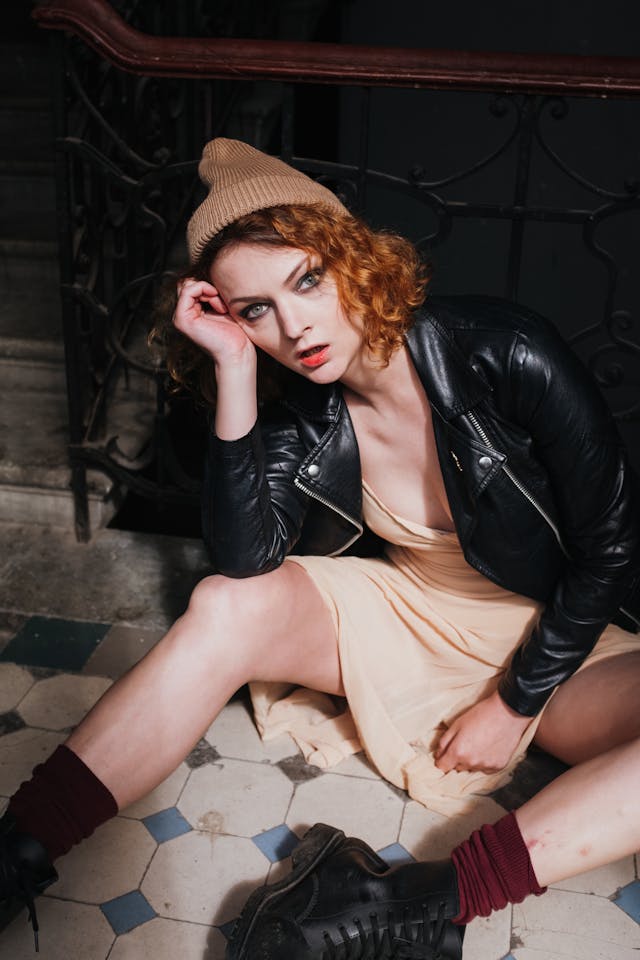
The “Trickle-Down” Era (Pre-1992)
Before the 90s, fashion followed the “Trickle-Down Theory.” * The Flow: Designers in Paris and Milan would decide on a silhouette (e.g., “The New Look” or “80s Shoulder Pads”). These would debut on runways, be worn by socialites, and eventually be mass-produced in cheaper fabrics for the general public.
- Control: Design houses were the gatekeepers. If they didn’t show it, you generally couldn’t buy it in a store. Subcultures (like 70s Punks) existed, but the high-fashion world mostly looked down on them as “uncivilized” rather than “inspiration.”
The Marc Jacobs “Grunge” Show (1992)
In November 1992, Marc Jacobs did something radical: he looked at the “lazy” kids in Seattle and put their thrift-store outfits on the world’s most expensive supermodels (Naomi Campbell, Christy Turlington).
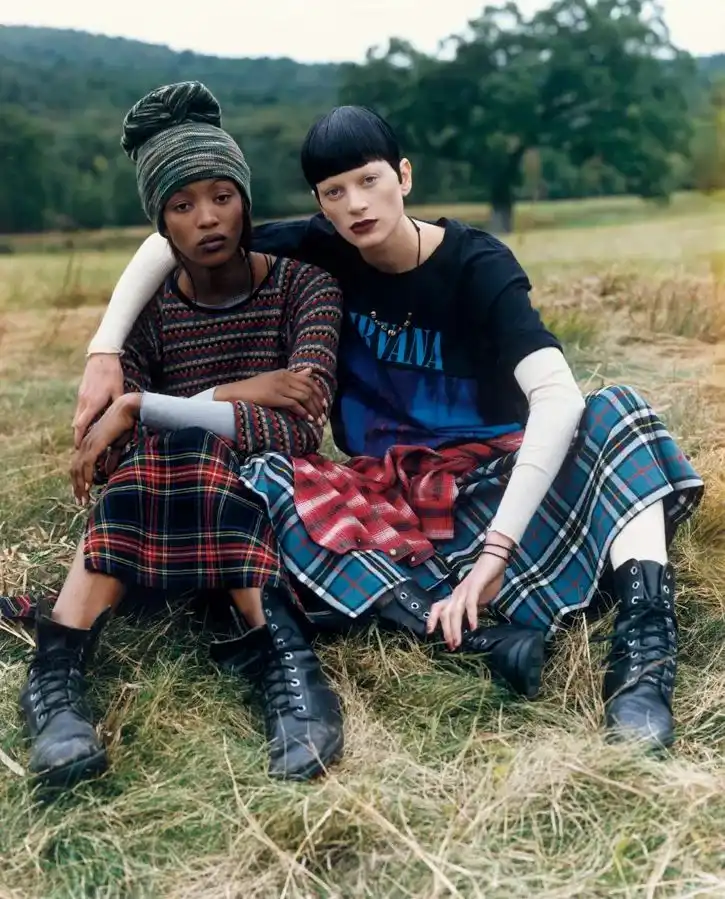
- What he did: He took $2 flannel shirts and recreated them in $300 Italian silk. he took thermal “long johns” and made them out of cashmere.
- The Reaction: The fashion establishment was horrified. They felt he was mocking the “sanctity” of luxury. Perry Ellis fired him, and critics called it “ghastly.”
- The Result: It was a massive commercial success in terms of influence. It proved that “cool” was now more valuable than “chic.” It was the first time a major luxury house admitted that the “kids on the street” were more fashionable than the designers in the studio.
The “Bubble-Up” Effect (Post-1992)
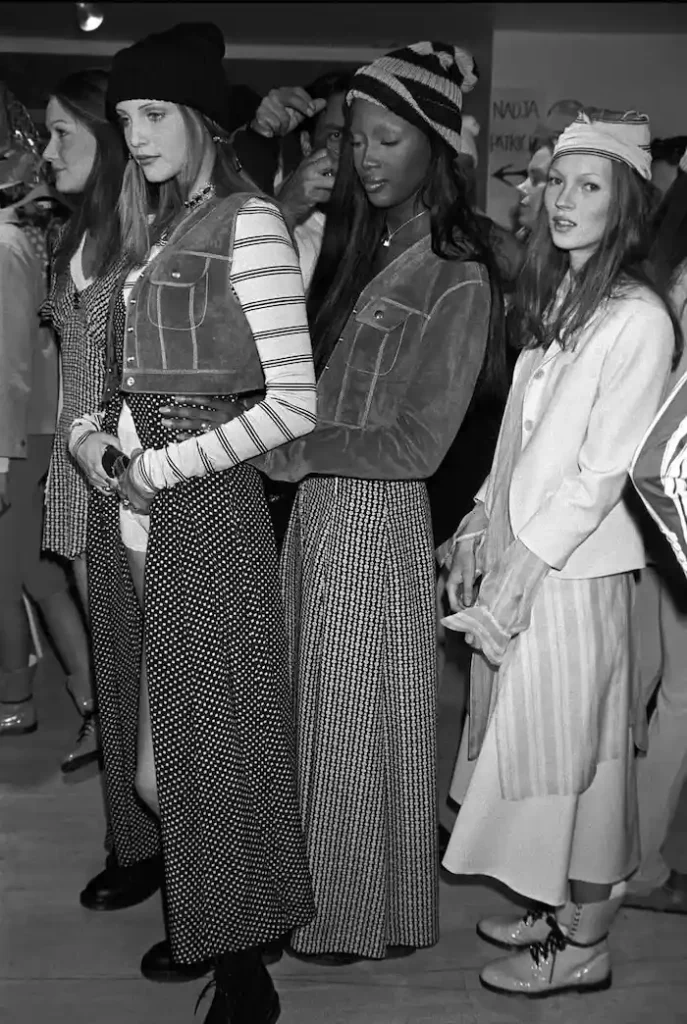
Since that show, we have lived in a “Bubble-Up” (or Trickle-Up) economy.
- Bi-Directional Relationship: Today, a kid on TikTok can start a trend (like “core-core” or “dark academia”), and six months later, Gucci or Prada will have it on their runway.
- The Relationship: * The People: Create the identity and the vibe (the “authentic” soul of the style).
Did people “make” fashion ideas before 1992?
Yes, but it was rarely acknowledged by the industry.
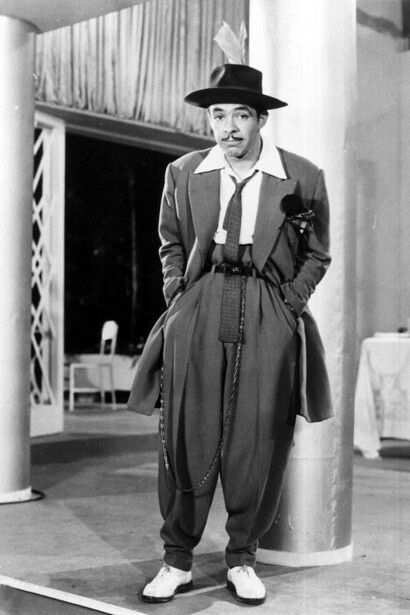
- Zoot Suits (1940s): Created by Black and Latino youth as a rebellion. It was a massive cultural statement, but high-fashion houses didn’t “copy” it—they ignored it or treated it as a social problem.
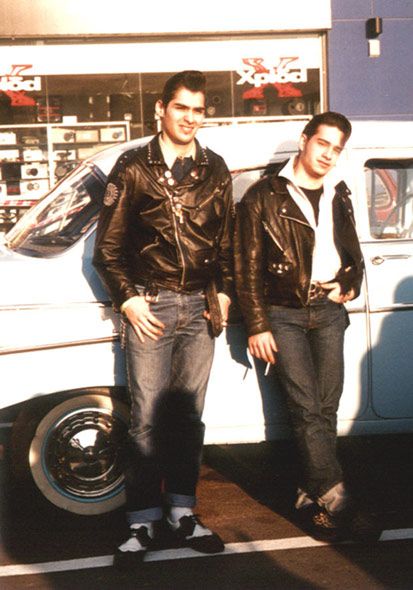
- The Mods & Rockers (1960s): They created distinct looks, but it wasn’t until designers like Mary Quant validated them that they were considered “Fashion.”
The big change in 1992 was that the “High Fashion” world lost its seat as the sole creator. They became curators. They realized they had to watch the streets to stay relevant.
You will see in a lot of modern iterations of Grunge, tucked in T-shirts, or Cropped jeans. In the grunge culture of the 90s, these were sacrilegious. Tucked in T-shirts were a mid 90’s grunge no go. Grunge looks with tucked tees are more of a hangover from the 80s, you might find it in some early 90s images – but you wouldn’t have seen the crowd at Nirvana concert with their t-shirts tucked in! This is additionally because jeans shifted being worn lower – at hip height as opposed to belted at the waist.
Grunge and 90s Skate Culutre
The relationship between 90s grunge and skate culture is a perfect example of two subcultures sharing a “utilitarian-rebel” DNA. While they emerged from different scenes—grunge from the rainy underground music venues of the Pacific Northwest and skating from the concrete basins of California—they met in the middle through a shared love for oversized, durable, and anti-establishment clothing.
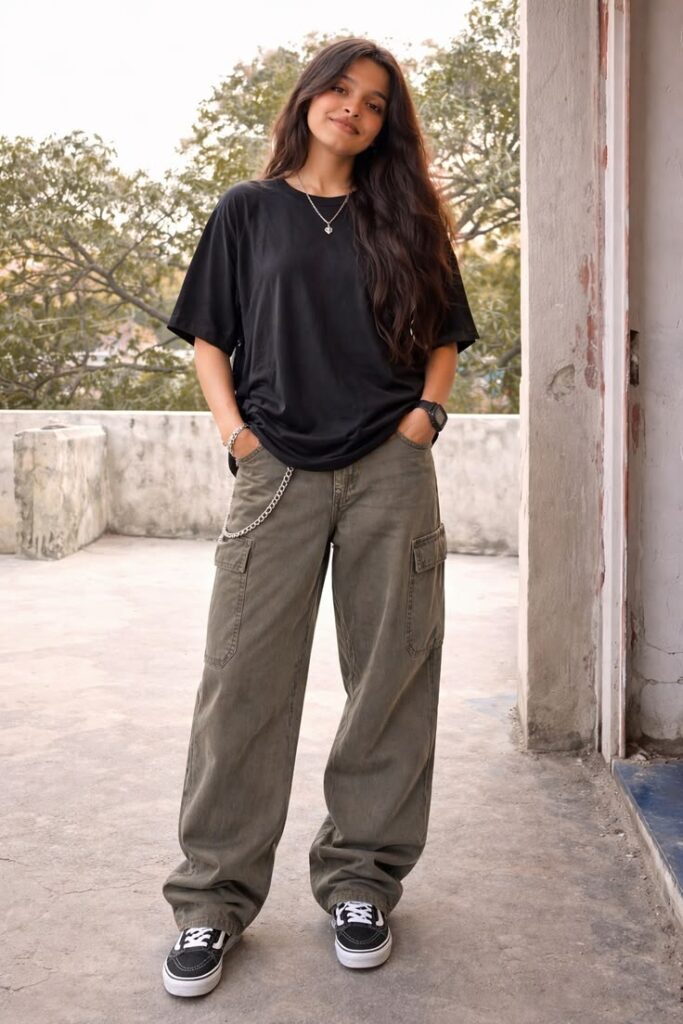
The “No-Tuck” and Wide Silhouette
The rejection of tucked-in shirts and slim-fit trousers was both a functional choice and a visual protest against the polished, “preppy” look of the late 80s.
- In Grunge: The untucked look originated from thrift-store layering. Flannels were worn open or tied around the waist, and oversized t-shirts were left hanging to create a “slacker” silhouette that de-emphasized the body shape.
- In Skate Culture: Function dictated form. Skaters needed a full range of motion. Tucking in a shirt would restrict movement during tricks, and long, wide-leg pants (like those popularized by brands like Blind or early Volcom) provided a layer of protection against “road rash” when falling on asphalt.
Key Points of Crossover
| Element | The Grunge Context | The Skate Context |
| The Flannel | Worn for warmth in Washington and to signify a “blue-collar” aesthetic. | Worn as a durable outer layer that could take a beating during a session. |
| The Footwear | Dr. Martens or beaten-up canvas sneakers like Converse. | Suede-heavy sneakers with flat soles (Vans, Airwalk) for board feel. |
| The Denim | Heavily distressed, “found” denim, often with holes in the knees. | Baggy denim (often 2-3 sizes too big) to allow for knee pads or freedom of movement. |
| Graphic Tees | Band merch or ironic thrift finds. | Brand logos or subversive art from skate companies like World Industries. |
The “Slacker” Aesthetic
By the mid-90s, the lines between a “grunger” and a “skater” blurred significantly because both groups frequented the same alternative spaces. The crossover was cemented by:
- Music: The rise of “Skate Punk” and the fact that many skaters listened to grunge bands like Nirvana or Mudhoney.
- Media: Magazines like Thrasher and Ray Gun championed a messy, “deconstructed” layout style that mirrored the frayed edges of the clothes.
- The “Dirty” Look: Both cultures embraced clothing that looked lived-in. For skaters, the wear-and-tear was a badge of honor from skating; for grunge, it was a rejection of consumerist “newness.”
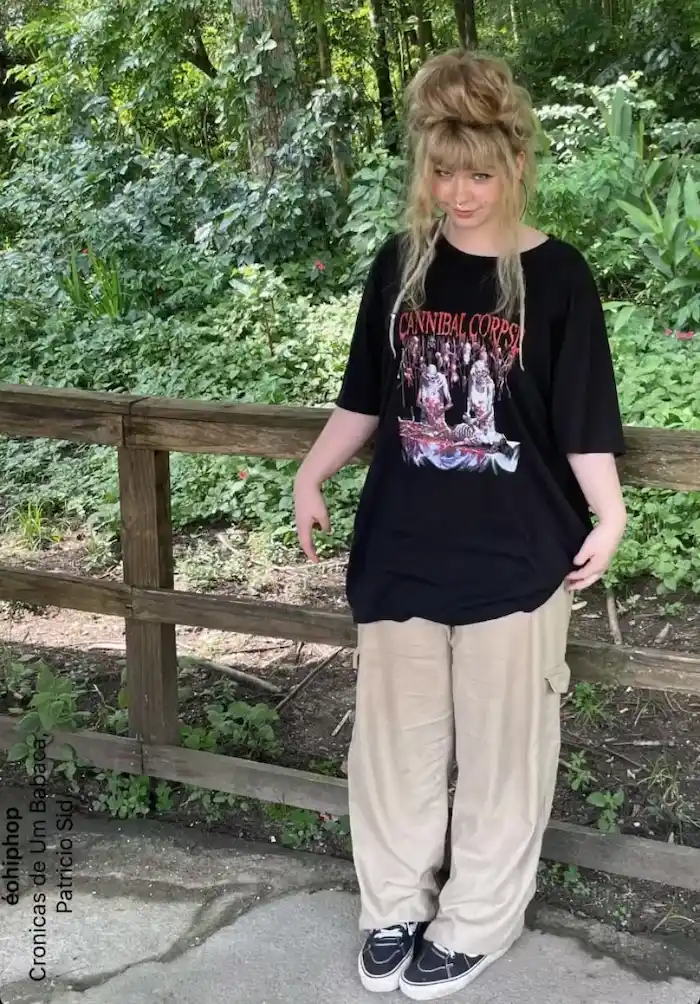
Beyond the Crossover
While they shared the baggy, untucked look, you can often spot the difference in the accessories. Grunge tended to lean into “earthy” or “gothic” touches—heavy silver rings, beanies, or thermal under-layers. Skate culture was more likely to feature “tech” elements like wallet chains, webbed belts, and specific padded tongue sneakers.
Grunge and 90s Feminism
The shift toward baggy, oversized clothing for women in the 90s grunge scene wasn’t just a trend; it was a radical departure from the hyper-feminized, body-conscious aesthetics of the 1980s. In many ways, the “grunge look” acted as a visual manifesto for a new wave of feminism.
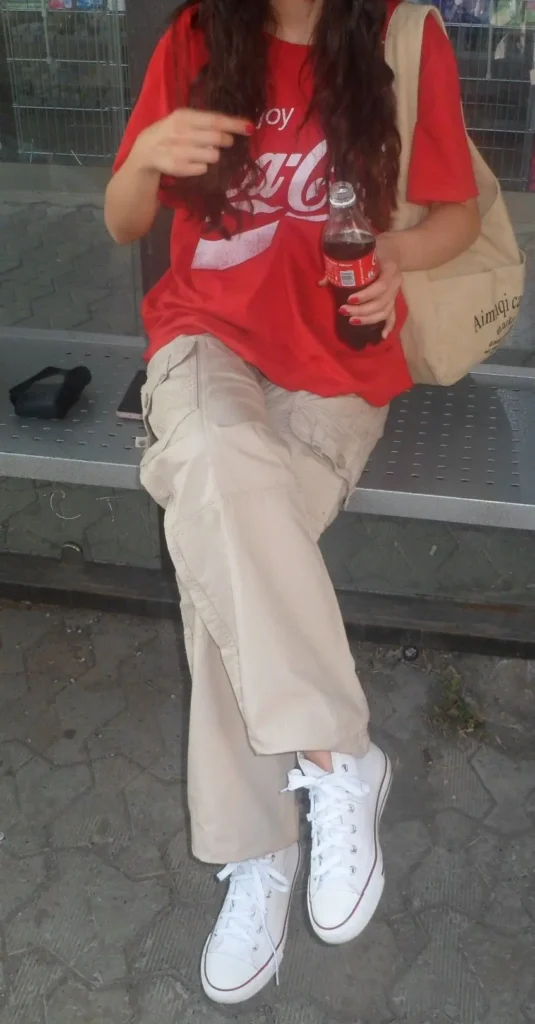
The “De-Gendering” of the Silhouette
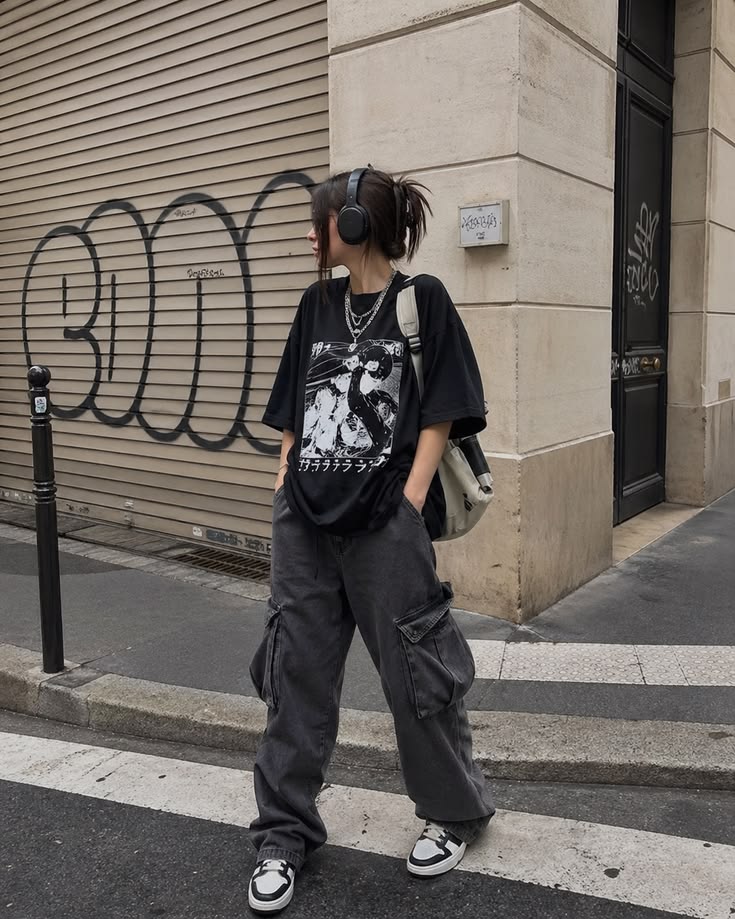
One of the most significant feminist elements was the rejection of the “Male Gaze.” By wearing oversized flannels, baggy jeans, and untucked t-shirts, women were essentially hiding their figures.
- The Intent: This was a move away from the expectation that women’s clothing should be “flattering” or sexually provocative.
- The Result: It prioritized comfort and utility over being an object of beauty. If a woman was wearing the exact same outfit as her male counterparts—big boots, baggy pants, and a messy “just rolled out of bed” hair style—it leveled the playing field within the subculture.
Riot Grrrl and “Courtney-Core”
While the baggy look was the standard, a more aggressive feminist fashion movement emerged alongside it, primarily through the Riot Grrrl scene. This movement used fashion as a form of “subversive irony.”
- The Courtney-core Aesthetic: Pioneered by artists like Courtney Love and Kat Bjelland, this style involved wearing torn, vintage “babydoll” dresses with messy makeup and heavy combat boots.
- The Message: It was a deliberate juxtaposition of “innocent” girlhood and “aggressive” womanhood. By reclaiming these symbols of traditional femininity and “breaking” them (ripping the lace, smudging the lipstick), they were critiquing societal expectations of how a “good girl” should look and behave.
Key Feminist Elements of the Culture
| Element | Feminist Application |
| Thrifting | An anti-capitalist stance. It rejected the “fashion industrial complex” that told women they needed to buy expensive products to be beautiful. |
| DIY Culture | Women were encouraged to make their own zines, start their own bands, and customize their clothes, moving from “consumers” to “creators.” |
| The Combat Boot | Replacing heels with Dr. Martens or work boots was a literal “grounding” of women. It was footwear designed for action, protest, and the mosh pit. |
| Body Neutrality | Grunge didn’t require “getting ready.” The acceptance of unwashed hair and no makeup allowed women to exist in public spaces without performing a beauty routine. |
The Power of the “Ugly”
The grunge movement allowed women to embrace what society often called “ugly” or “unrefined.” In a culture that pressured women to be polished, the act of being loud, sweaty, and dressed in baggy, stained clothes was a form of liberation. It allowed women to be seen for their ideas, their music, and their presence rather than their adherence to a beauty standard.
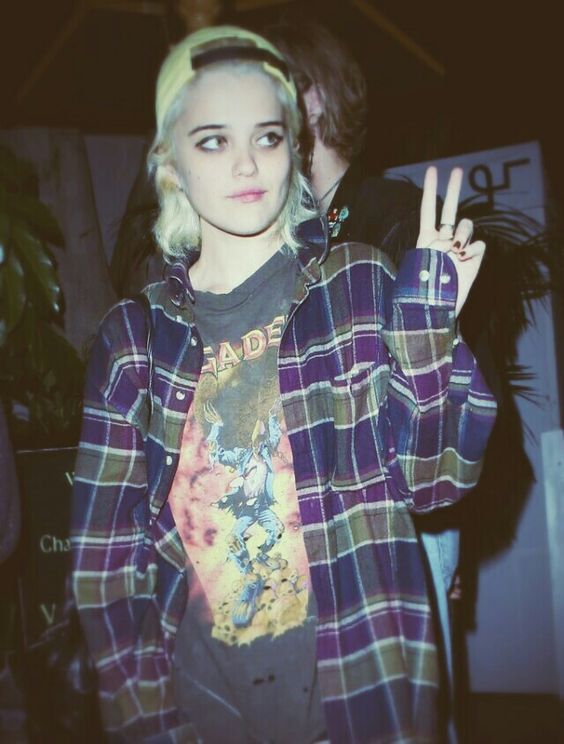
This “slacker” energy was a way of saying that a woman’s time and energy were too valuable to be spent on a curling iron or a restrictive corset-style top. It was about autonomy—the right to be comfortable and the right to be messy.
Grunge Style Roots
In the Style Roots system (developed by Ellie-Jean Royden), Grunge is rarely just one root. Because it is a “messy” and rebellious aesthetic, it usually relies on a combination of three specific roots to achieve that authentic 90s feel.
The primary root for Grunge is almost always Moon, but the overall “vibe” depends on what you mix it with.
1. The Core Root: Moon
This is the non-negotiable root for Grunge.
- Why: Moon represents the dark, rebellious, and counter-cultural. It covers the heavy black boots, the moody color palette, the smeared eyeliner, and the “edge” that separates Grunge from just being “casual clothes.”
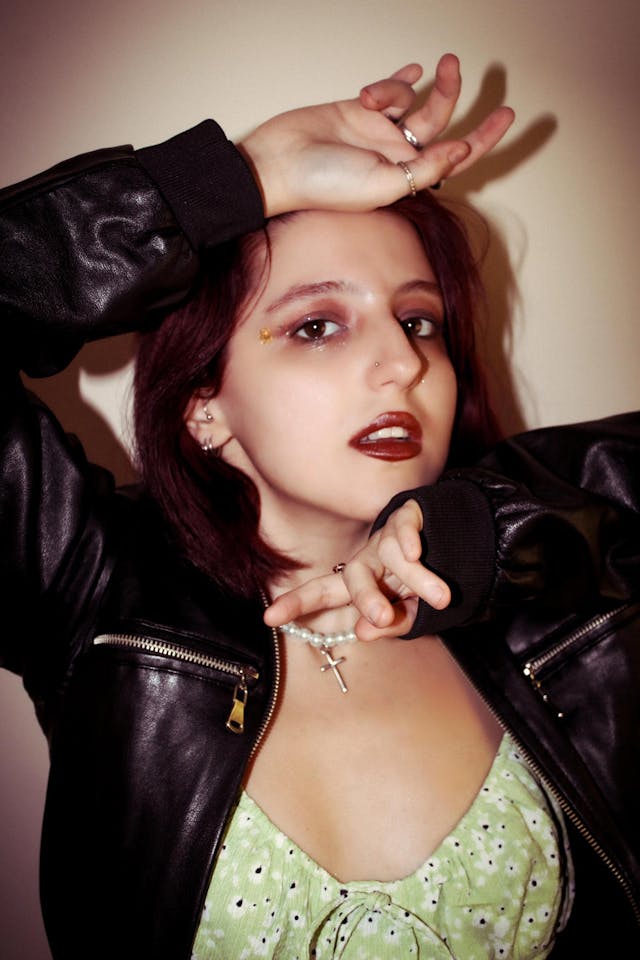
2. The Texture Root: Earth
Most authentic 90s Grunge outfits have a strong Earth influence.
- Why: Earth provides the texture and unpolished nature. It accounts for the oversized flannel shirts, the distressed denim, the chunky knits, and the overall “thrifted” or “organic” feel. Without Earth, Grunge looks too “costume” or “gothic.”
3. The Silhouette Root: Stone
This root brings the urban, relaxed, and “effortless” element.
- Why: Stone is the root of streetwear and practicality. It’s responsible for the baggy jeans, the oversized T-shirts, and the “slacker” silhouette. It makes the outfit feel grounded in the city rather than a fantasy world.
The Most Common Combinations
Depending on the “flavor” of Grunge you prefer, the roots shift slightly:
| Grunge Variety | Style Roots | Key Elements |
| Classic 90s (Nirvana) | Moon + Earth + Stone | Ripped jeans, old flannels, beat-up sneakers, dark colors. |
| Courtney-Core (Courtney Love) | Moon + Flower + Earth | Torn baby-doll dresses, messy hair, lace mixed with leather. |
| Modern “Soft” Grunge | Moon + Mushroom + Stone | Clean black skinny jeans, oversized sweaters, minimal jewelry. |
| Gothic Grunge | Moon + Fire + Stone | Distressed leather, fishnets, platform boots, but kept casual. |
The “Grunge Paradox”: The Art of Looking Like You Don’t Care
while the vibe is “IDGAF,” the visual success comes from the cohesion of the roots.
- The Baggy Flannel: Represents the Stone root (relaxed/urban).
- The Combat Boots: Represents the Moon root (rebellious/heavy).
- The Messy Hair: Represents the Earth root (raw/unprocessed).
Conclusion: The Lasting Legacy of the “Slacker” Revolution
Ultimately, 90s grunge was far more than a fleeting musical trend or a checklist of thrift-store staples; it was a seismic cultural reset that permanently rewired our relationship with fashion. By rejecting the hyper-polished, consumerist excess of the 1980s, the grunge movement democratized style. It flipped the traditional fashion pyramid upside down, transforming high fashion from a top-down dictatorship into a collaborative, street-level conversation that paved the way for modern internet aesthetics.
Whether it was through the functional, utilitarian crossover with skate culture or the radical, body-neutral manifesto of 90s feminism, grunge proved that clothing could be used to opt out of societal expectations. It gave women the autonomy to reject the male gaze in favor of comfort, and it allowed youth culture to find beauty in the “ugly,” the raw, and the lived-in.
The Grunge Takeaway: True grunge is defined by a paradox—the art of looking like you don’t care, achieved through a careful balance of rebellion, texture, and effortless practicality.
Today, whether you analyze the aesthetic through the lens of subcultural history or dissect it using modern style frameworks like the Style Roots system, the core DNA remains unchanged. By balancing the dark rebellion of the Moon, the raw texture of the Earth, and the casual ease of the Stone, grunge continues to thrive. It stands as a timeless reminder that the ultimate fashion statement is authenticity—and that “cool” will always triumph over “chic.”